Table of Contents
- Quick Answer
- Key Numbers
- Step 1: Measure Your Real Space (Not the Space You Wish You Had)
- Step 2: Set a Hard Budget — and Stick to It
- Step 3: Pick Your Goal Before Your Equipment
- Step 4: Buy Equipment in the Right Order
- Step 5: Lay Out the Room (Before the Equipment Arrives)
- Common Mistakes to Avoid
- Cost Tier Quick Reference
- Frequently Asked Questions
- Next Steps
Key takeaways
Building a functional home gym follows five steps — space assessment, budget selection, flooring, equipment priority order, and zone layout — and is achievable from $200.
- Budget tiers run $200–500 (starter) to $3,000+ (complete); a $1,500 setup pays for itself in 1–2 years versus a gym membership.
- Minimum floor area is 4×4 ft; a full setup needs roughly 100 sq ft with at least an 8 ft ceiling.
- Install horse stall mats ($80–120 for two) before any heavy equipment arrives.
- Priority purchase order: rack first, then bench, barbell, plates, and dumbbells last.
Building a home gym sounds simple until you start. Then it's a flood of decisions — rack or no rack, dumbbells or kettlebells, garage or spare room, $300 or $3,000. Most "how to build a home gym" articles dump a 50-item shopping list on you and call it a guide. This isn't that.
This is the framework I use every time someone asks me to help them build one — for themselves, their parents, their first apartment, a downsized condo. Five steps. Make each decision in order. Skip ahead and you'll buy stuff you regret.
Quick Answer
Build a home gym in five steps: (1) measure your real space, including ceiling height and door clearance; (2) set a hard budget in the $300–$3,000 range based on goals; (3) pick goals first, equipment second — a strength gym buys a rack and barbell, a mobility gym buys a mat and bands; (4) buy equipment in priority order (rack/bench/bar → plates → accessories → cardio); (5) lay out the room with a dedicated lifting zone, walking lane, and storage wall. Soundproof and floor before the heavy equipment arrives. Skip any step and you'll waste money or space.
Key Numbers
- Space minimums: a 4×4 ft closet corner trains bands and kettlebells; 100 sq ft (10×10) fits a full power rack, barbell, and plates.
- Budget tiers: Starter $200-500, Core $500-1,500 (where most builders land), Strength $1,500-3,000, Complete $3,000+.
- Most racks need 8 feet of ceiling for safe overhead pressing; a standard Olympic bar is 7'2" long.
- Buy order that avoids wasted money: rack/bench/bar → plates → accessories → cardio last.
Step 1: Measure Your Real Space (Not the Space You Wish You Had)
The number-one mistake new home gym builders make is buying equipment that won't physically fit. Then it sits in the garage in the box for a month while they try to return it.
Three numbers matter:
- Floor area: length × width in feet
- Ceiling height: floor to lowest beam, light fixture, or duct
- Doorway width: can a 7-foot Olympic barbell fit through? Can a 200lb rack base?
Measure all three before you buy a single thing. Most racks need at least 8 feet of ceiling for safe overhead pressing. A standard Olympic bar is 7'2" long; if your room is 8 feet wide, you'll have 5 inches of clearance on each end — fine for static storage, not great for snatching.
Minimum spaces that actually work
| Space | Floor | Ceiling | What fits |
|---|---|---|---|
| Closet corner | 4×4 ft | 8 ft | Bands, kettlebells, mat, foldable bench |
| 8×8 spare bedroom | 64 ft² | 8 ft | Adjustable dumbbells, bench, foldable rack |
| 10×10 spare bedroom | 100 ft² | 8 ft | Full rack + bench + barbell + plates |
| Single-car garage | 12×20 ft | 8–10 ft | Everything above + cardio |
| Two-car garage | 20×20 ft | 9–12 ft | Commercial-tier setup |
For a deeper room-by-room breakdown, our home gym by room size guide walks through the exact floor plans that work — and the ones that don't.
Don't overlook these constraints
- Floor type: Concrete is ideal for heavy lifting. Carpet over plywood subfloor is fine. Floating laminate over a joist floor is the worst case — every drop transmits to your neighbors.
- Sound transmission: Apartment, townhouse, or upstairs bedroom? Read the soundproofing guide before you spend a dollar on a barbell.
- Climate: Garages get hot in summer and freezing in winter. Plan for a fan or a small space heater.
- Power outlets: A treadmill or cable machine needs a dedicated 15-amp circuit. Powering one off the same outlet as your air conditioner trips breakers.
Step 2: Set a Hard Budget — and Stick to It
The biggest difference between a finished home gym and an abandoned one isn't ambition. It's whether the builder picked a budget first and then designed around it, or kept adding "just one more thing" until the money ran out mid-build.
Pick a tier and commit:
| Tier | Budget | What you get |
|---|---|---|
| Starter | $200–$500 | Adjustable dumbbells (up to 25 lbs), bands, mat, foldable bench |
| Core | $500–$1,500 | Adjustable dumbbells (up to 50 lbs), bench, pull-up bar, mat, optional foldable rack |
| Strength | $1,500–$3,000 | Power rack, 7' Olympic bar, 300 lbs of plates, bench, dumbbells |
| Complete | $3,000+ | All of the above + cardio (rower or air bike) + cable system + accessories |
Most readers land in the $500–$1,500 Core tier. It's enough to train hard without the rack-and-barbell commitment, and you can upgrade to Strength later by adding the rack/bar/plates without throwing anything away.
For a precise budget that flexes around your equipment list, use the home gym cost calculator — pick the items you want and it spits out your total. For a deeper breakdown of where every dollar goes, How Much Does a Home Gym Cost? walks through real builds at $200, $500, $1,500, and $5,000.
The "buy-it-once" rule
The most expensive home gym is the cheap one you replace. Two categories where it's worth paying up:
- Barbell: A $90 bar bends, rusts, and feels gritty in your hands. A $250–$350 bar lasts forever and spins smoothly. Get the better bar.
- Bench: A $60 bench wobbles under heavy presses and is a real injury risk. A $200–$300 commercial-grade bench is rock-solid for life.
Two categories where you should buy cheap:
- Plates: Bumper plates from any reputable brand all weigh the same. Save the $200 vs. brand-name.
- Accessories: Bands, mats, kettlebells under 35 lbs — generic is fine.
Step 3: Pick Your Goal Before Your Equipment
A "home gym" is too vague to plan around. What are you training for? The honest answer dictates the equipment list.
Goal A: Pure strength
You want to squat, bench, deadlift, and press. Non-negotiables: rack, bar, plates, bench. Skip cardio — you'll do it elsewhere or never. See How to Build a DIY Power Rack for Under $150 if budget is tight.
Goal B: General fitness / strength + cardio mix
You want to lift, but also keep your heart rate up. Add a walking pad or air bike to the strength setup. Skip the rower (large, expensive, niche).
Goal C: Aging-friendly / safe at-home training
The setup looks completely different. Skip the rack and free-weight barbell entirely. Focus on adjustable dumbbells, resistance bands, a recumbent bike, a sturdy bench, and grab bars near the lifting area. The whole seniors category is built around this exact profile.
Goal D: Functional fitness / mobility / recovery
Mat + bands + kettlebells + maybe a TRX strap. No rack, no barbell. A 4×6 corner is enough.
Goal E: Maximum versatility, small footprint
Adjustable dumbbells + bench + foldable rack + 5×7 mat. This is what the 10x10 home gym layout is built on.
Pick one goal as primary. A gym designed to do everything ends up doing nothing well.
Step 4: Buy Equipment in the Right Order
I cannot count how many people I've seen buy plates before a barbell, or dumbbells before a place to store them. There's a correct order; deviating from it wastes money and space.
The priority list (top to bottom)
- Rack — anchors the gym. Determines where everything else goes.
- Bench — flat first, adjustable later if budget allows.
- Barbell — get the good one once.
- Plates — start with 230 lbs (2× 45, 2× 35, 2× 25, 2× 10, 2× 5, 2× 2.5). Add as you get stronger.
- Adjustable dumbbells — most versatile single purchase. (Amazon Basics 5-25 lb, ~$69, is the usual first one.)
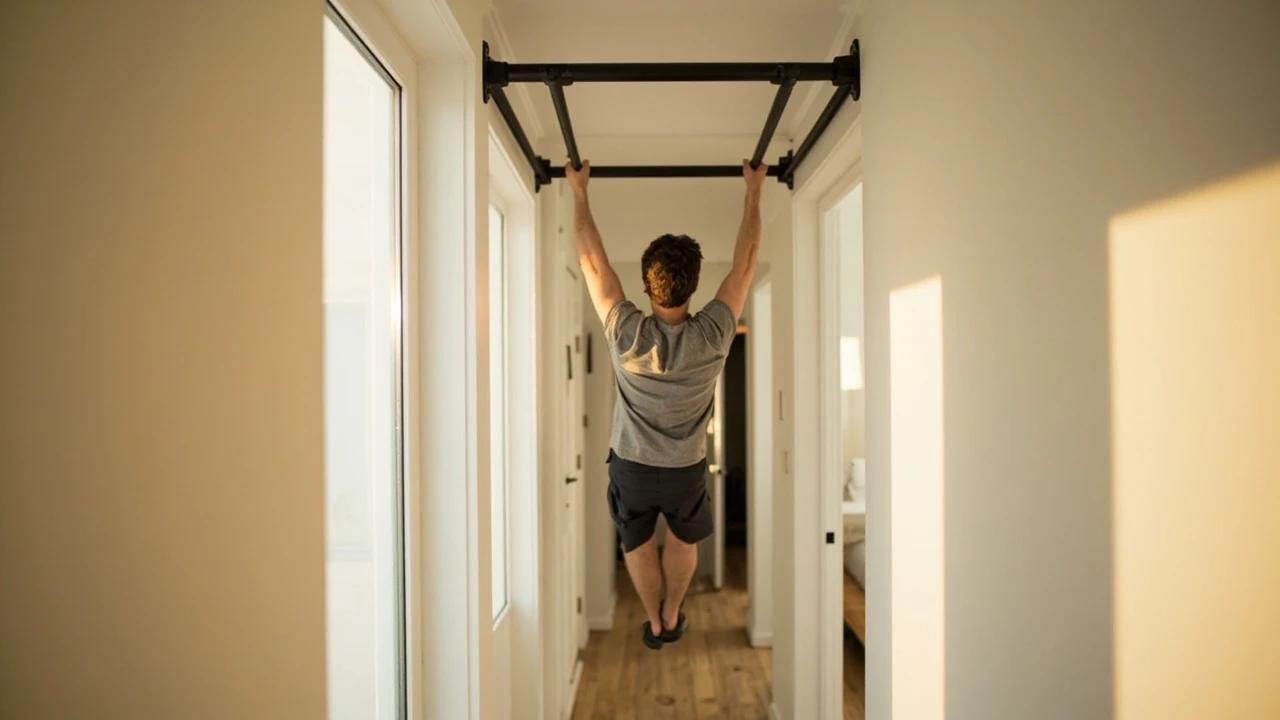
- Pull-up bar — wall-mount or built into rack. (A Yes4All wall mount is ~$38 if the rack has not arrived yet.)
- Cardio — only after the lifting setup is complete.
- Cables / accessories — last. Always last.
For the deeper version of this list with specific product picks, read What Order to Buy Home Gym Equipment.
What you can skip (most people don't need)
- Smith machine. Bar path is fixed; doesn't train stabilizers. A real rack is better.
- Pec deck / leg curl / multi-station. Too specialized for a home gym.
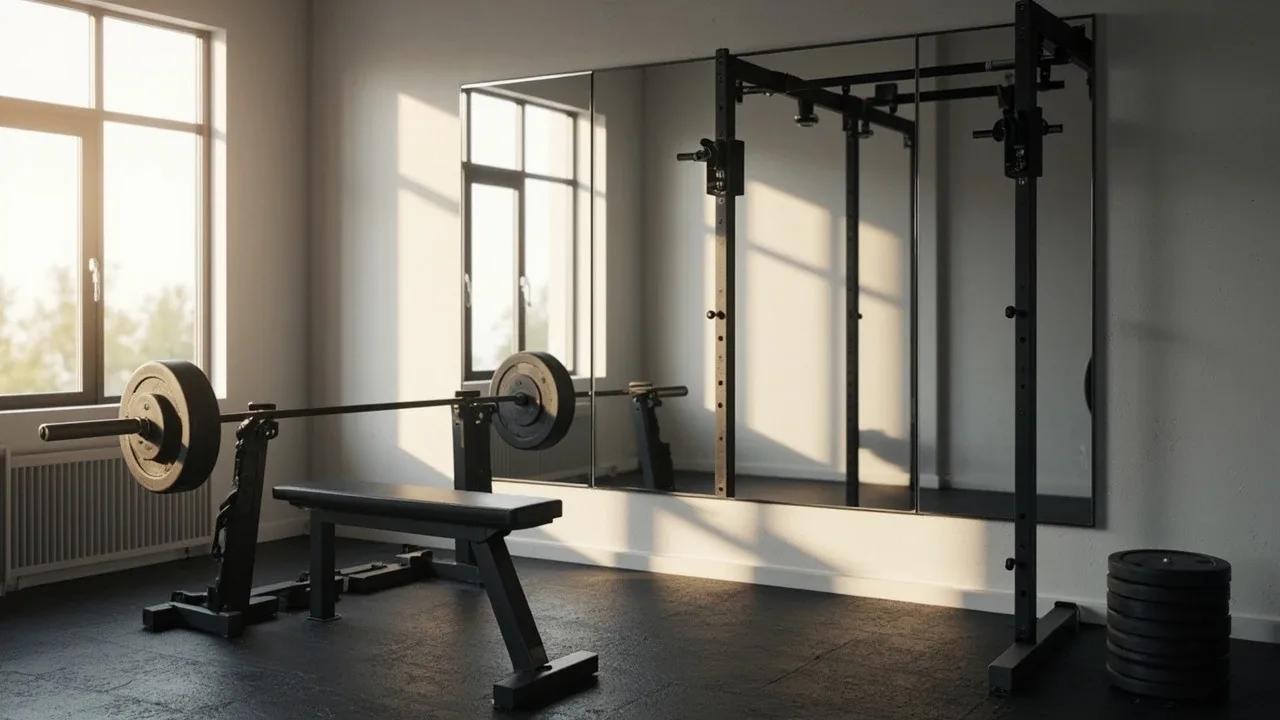
- Mirror. Cheap form coaching, sure, but spend the $80 elsewhere first.
- Cable crossover. Beautiful gym aesthetic, mediocre training value for the footprint.
What you will forget
- Plate storage. Order it with the plates — a plate tree or weight storage rack is the cheapest way to stop a pile of 45s on the floor becoming a foot injury.
- Chalk and a chalk bowl. Sweaty hands slip off bars. Block chalk costs a few dollars and lasts a year.
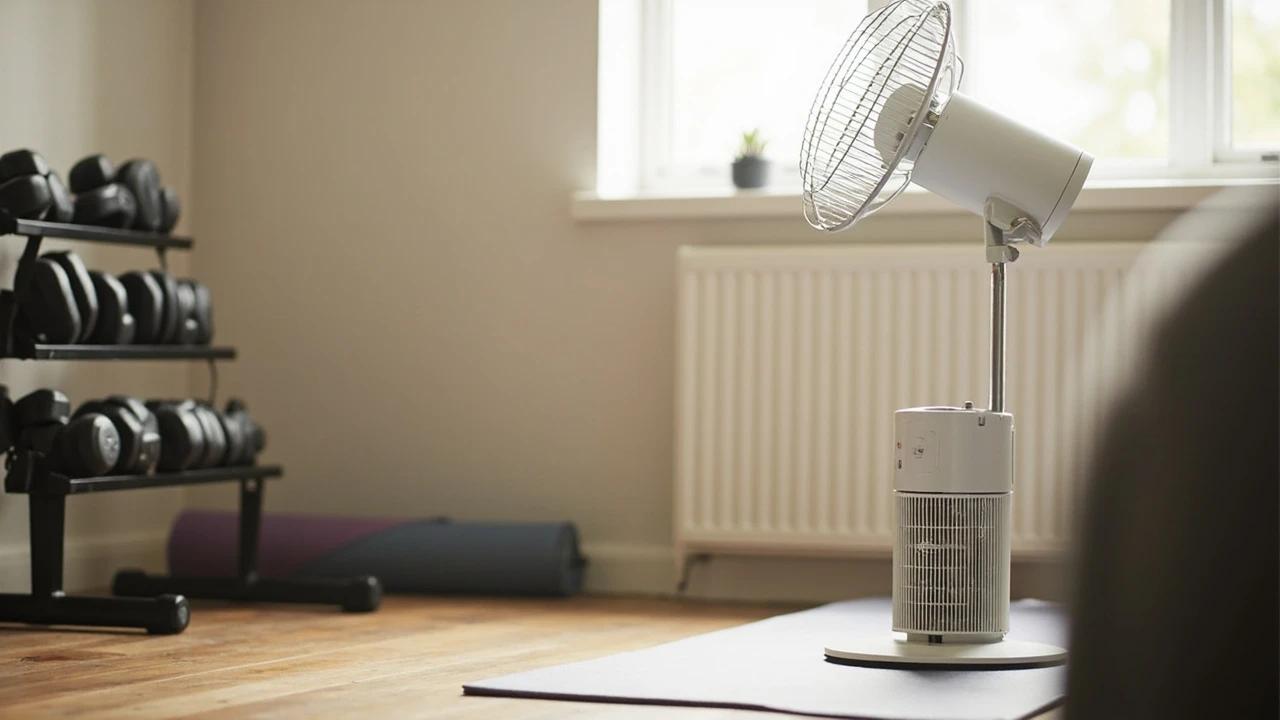
- A fan. Garage gyms cook in summer. The Lasko Wind Machine at ~$70 is the pick in Best Fans for a Garage Gym, which covers wall-mount and misting options too.
- Decent lighting. Most garages have one bulb. Add two LED shop lights — 4ft linkable ones chain off a single outlet.
Use the Home Gym Checklist as a final shopping pass before you order — it catches the small stuff people forget.
Step 5: Lay Out the Room (Before the Equipment Arrives)
This is the step everyone skips. They get the rack delivered, set it up wherever there's space, and discover three months later that the bench doesn't fit under it for incline presses, or the bar rolls into the dumbbell rack on every clean.
The three zones
Every functional home gym has three zones, no matter the size:
- Lifting zone — at least 6×8 feet of clear floor under and around the rack. This is where heavy work happens. Nothing else lives here.
- Walking/warm-up lane — a 2×8 strip you can pace, stretch, and warm up in. Doubles as the path to grab water or change a song.
- Storage wall — vertical pegs/shelves on one wall for plates, dumbbells, bands, bars. Get everything off the floor.
In a 10×10 room, put the rack against the far wall with 4 feet of clearance behind it. Bench under the rack. Storage on the side wall. Mat in the middle as the walking lane.
In a single-car garage, the rack goes against the wall opposite the door. Cardio along one side wall, storage along the other.
Flooring goes in first
Lay the floor before the rack arrives. Once 400 lbs of steel is in the room, you're not moving it to slide a mat underneath.
- Concrete subfloor: 3/4" horse stall mats are the gold standard (full guide). Two mats covers a 4×8 lifting zone for $80–$120.
- Wood subfloor: Mat on top of plywood platform to spread load and reduce vibration. See cheap home gym flooring DIY.
- Carpet: Lift a corner, lay plywood and rubber over the carpet. Don't pull the carpet up — the deadening is helpful.
Sound and dust before steel
If you live in shared housing, soundproof during the layout step — before the heavy equipment arrives. Stacking foam, plywood, and rubber under and around the lifting zone is much easier when there's no rack in the way.
For DIY builders, the DIY home gym projects guide covers the platform, plate storage, and pull-up bar builds that most people end up making once they realize commercial versions cost 3× more.
Common Mistakes to Avoid
I've made every one of these. So has every home gym builder I know.
- Buying based on Instagram. A 600-square-foot showroom gym on social media will not fit in your spare bedroom.
- Skipping the floor. Lifting on bare concrete chips plates and breaks barbells. Lifting on bare carpet over joists wakes up your neighbors.
- Overspending on the first build. $3,000 you can't afford ends in a Craigslist listing six months later. Start at $500 and add to it.
- Buying machines instead of free weights. Cable stacks and Smith machines look impressive. Free weights train more muscles per square foot.
- Forgetting climate. A garage in July is 110°F. A basement in January is 45°F. Plan for both.
- Not measuring ceiling height. A 7'6" ceiling won't fit a 7' rack with a pull-up bar on top.
For the longer version of this list — and 9 more mistakes I wish someone had told me about before my first build — read Home Gym Mistakes to Avoid.
Cost Tier Quick Reference
| You have | Build this |
|---|---|
| Under $200 | Adjustable dumbbells (light) + mat + bands. See Best Home Gym Equipment Under $50. |
| $200–$500 | Add a foldable bench + pull-up bar. See Budget Home Gym Under $200. |
| $500–$1,500 | Heavier adjustable dumbbells, real bench, foldable rack option. |
| $1,500–$3,000 | Full power rack + Olympic bar + 300lbs of plates + bench. |
| $3,000+ | Add cardio (rower / air bike) + cable attachment + cosmetic floor. |
For a calculator that builds the exact list at your budget, use the cost calculator.
Frequently Asked Questions
Can I really build a home gym for under $500?
Yes — for a strength-and-mobility setup. You won't have a barbell or rack, but you'll have adjustable dumbbells (up to 50lbs), a foldable bench, bands, a mat, and a pull-up bar. That's enough equipment to follow nearly any beginner-to-intermediate program for 6–18 months. The budget home gym under $200 guide walks through the lowest-cost version of this build.
What's the absolute minimum equipment for a meaningful home gym?
One adjustable bench, one pair of adjustable dumbbells (25–50 lbs range), a 4×6 rubber mat, and a pull-up bar. That's roughly $400–$700 and covers 80% of useful home training for most adults. Add a barbell and rack later if your goals shift toward heavy lifting.
Do I need a power rack to build a home gym?
No — but you do need one to safely back squat or bench heavy alone. If your training stays under 200 lbs and you have a spotter or are willing to fail forward into a dumbbell-only program, you can skip the rack. Most people who lift seriously add one within their first year.
How much space does a real home gym take?
A useful gym fits in 50 square feet (closet, 8×8 spare bedroom). A serious lifting gym needs 80–100 square feet (10×10 spare bedroom). A complete setup with cardio and accessories runs 200–400 square feet (single-car garage and up). Our room-size guide maps every common space to what fits.
Is a home gym worth it vs. a commercial gym membership?
Long-term, yes. The math: a $1,500 home gym amortized over 3 years is $42/month — cheaper than most commercial gym memberships, and you train at 6 a.m. in pajamas. The break-even point is typically year 1–2 depending on build cost. Home Gym vs Gym Membership Cost breaks down the real numbers.
What about second-hand equipment?
For racks, plates, dumbbells, and bars — second-hand is often the smartest move. Iron doesn't go bad. Look for local Facebook Marketplace or estate sales. Skip second-hand cardio (treadmill / bike) unless you can test it on the spot; motors and electronics fail often. See our used home gym equipment guide.
What's the single biggest first purchase?
For most people: a quality adjustable bench + adjustable dumbbells. This pair unlocks more training variety per dollar than anything else. You can build an entire program around it for a year before adding a rack and barbell.
Next Steps
If you're at the start of your build, the natural order from here is:
- Run through the home gym checklist to confirm you haven't missed any small items.
- Use the cost calculator to lock in the budget.
- Read the room-size guide that matches your space.
- If you're in apartment-shared housing, follow the soundproofing guide before buying anything heavy.
- If you're DIY-inclined, browse the DIY projects hub — the rack, platform, and storage builds save real money.
Build slowly. Adjust as you go. The best home gym is the one you actually use — not the one that looks the best on Instagram.
Building your gym in a basement? The basement layout guide covers the three basement-specific constraints (ceiling height, moisture, structural posts) that the 5-step framework here doesn't drill into.
Picking your first dumbbells? Best Budget Adjustable Dumbbells Under $150 — the 5 mechanism types compared, the 5 picks that actually work, and the ones to skip.
Building a senior-safe gym? Best Walking Pads for Seniors — the cardio piece for the senior-focused build, with handrail and slow-start safety features prioritized.
Sourcing the build used? How to Buy Used Home Gym Equipment on Facebook Marketplace — the five-step framework here works identically when you're buying secondhand instead of new.
Starting with $100? Best Home Gym Equipment Under $100 — the 8-item kit that anchors the very bottom of the 5-step framework.
Step 3 of the 5-step guide is the rack. Best Budget Power Racks — the 5 budget picks that anchor the entire build.
Building a gym for an older adult? Strength Training After 60 for Beginners — the 12-week beginner program plus the under-$200 equipment kit that matches it.
Balance training in the complete senior build? Best Balance Training Equipment for Seniors — the 7 picks that pair with strength + cardio + flexibility for the full 4-pillar senior fitness picture.
Building a gym for someone with bone density concerns? Exercises for Osteoporosis Prevention in Seniors — the equipment shortlist plus the exercise selection that builds bone safely.
Step 5 of the 5-step guide is cardio. Best Compact Cardio Machines — the 6 picks worth buying for small spaces, all with sub-30-second storage transitions.
Have a 12×12 room? 12x12 Home Gym Layout — the dimension-specific floor plan once you've worked through the five steps.
Building a senior-safe gym with a treadmill? Best Treadmills for Seniors — the low-step, handrail-equipped models for the cardio slot, with safe-use habits for older walkers.
Picking a kettlebell? Best Kettlebells for a Home Gym — adjustable vs. cast iron, coatings that matter, sizing for men and women, and the bells to skip.
Building in a garage that bakes in summer? Best Fans for a Garage Gym — the airflow picks (with CFM math) that keep a garage trainable through July.
Building in a garage? Garage Gym Layout Ideas — dedicated floor plans for 1-car and 2-car garages, from shared parking to full conversion.
The gym is half the job. Equipment gives you the stimulus; food decides what your body does with it. Run your numbers through the calorie and macro calculator to get a daily target and protein split that match how you're training.
Measure before you buy. Our free home gym planner lays your actual room out in 3D — set the dimensions, drag in a rack, bench and bar at true scale, and see what fits before you spend anything.
Plate thickness decides your ceiling. Bumper vs iron plates — a standard sleeve holds ~419 mm a side, so a bumper-only bar stops around 450 lb.
Want the two-minute version before the full guide? The short version condenses the same three decisions — space, equipment, budget — into a path you can follow based on the room you actually have.
Pull-up bar buying guide: Best Pull-Up Bars for Home: Doorway, Wall & No-Drill — doorway, wall-mount or freestanding, decided by your house rather than your budget.