
Table of Contents
- Quick Answer
- Related guides
- 1. Buying Equipment Before Measuring Space
- 2. Skipping Flooring
- 3. Buying Fixed Dumbbells Instead of Adjustable
- 4. Buying Standard (1") Plates Instead of Olympic
- 5. Buying a Treadmill First
- 6. Underestimating Ceiling Height
- 7. Buying the Premium Brand Before You Need It
- 8. Not Wall-Anchoring the Rack
- 9. Cheap Pulleys for DIY Cable Systems
- 10. Not Accounting for Humidity / Climate
- 11. Buying a Smith Machine Instead of a Rack
- 12. Ignoring the Used Market
- 13. Overbuying Accessories Early
- 14. No Mirror for Form Check
- 15. Not Budgeting for Accessories Over Time
- The One Mistake No One Talks About
- Frequently Asked Questions
Key takeaways
The most expensive home gym mistakes are skipping measurements, buying the wrong equipment category first, and installing gear before laying flooring.
- Treadmills consume 20–30 sq ft and cost $500–2,000 yet deliver less training value than a $180–300 barbell for most lifters.
- Standard 1-inch plates are incompatible with Olympic barbells; only buy 2-inch Olympic plates.
- Cheap cable pulleys ($3 zinc vs. 300+ lb-rated ball-bearing versions at $10–15 each) are a common DIY safety hazard.
- A core-tier gym ($1,500 all-in) is achievable with used gear, saving 40–60% off retail.
Building a home gym right on the first try is rare. Most people make 3-5 expensive mistakes along the way — and the mistakes compound.
This guide covers the 15 most common ones, drawn from thousands of r/homegym posts. Learn from these and skip the painful part of the learning curve.
Quick Answer
The 5 most expensive mistakes:
- Buying a treadmill before a barbell
- Buying fixed dumbbell pairs instead of adjustable
- Skipping flooring on day one
- Buying cheap (standard-sleeve) plates
- Underestimating space and ceiling requirements
Related guides
- How much does a home gym cost
- What to buy first for a home gym
- Home gym cost calculator
- Home gym checklist
1. Buying Equipment Before Measuring Space
The mistake: Ordering a rack before measuring the room. Rack arrives. Rack doesn't fit. Rack sits in the garage for a year.
The fix: Measure length, width, AND ceiling height. Write the numbers down. Verify every purchase against those numbers before clicking buy.
2. Skipping Flooring
The mistake: "I'll add flooring later." Heavy plates dent the floor. Deadlift drops crack concrete. Now flooring costs 2x because you're also repairing the floor.
The fix: Flooring before equipment. Always. Even one horse stall mat under your primary lifting zone is enough to start.
3. Buying Fixed Dumbbells Instead of Adjustable
The mistake: "I'll just get a 30 lb pair." Six months later: need 35s, 40s, 45s. Now you have 4 pairs of useless dumbbells.
The fix: Buy adjustable dumbbells (Bowflex 552, PowerBlock Elite) unless you KNOW you'll only use one weight forever.
4. Buying Standard (1") Plates Instead of Olympic
The mistake: "Standard plates are cheaper." True — and they're also incompatible with everything else in the gym world. Can't fit on an Olympic bar. Max out at ~250 lb. Unsellable.
The fix: Olympic (2" sleeve) plates only. Every. Time. Period.
5. Buying a Treadmill First
The mistake: Treadmill takes up 20-30 sq ft. Costs $500-2,000. Trains one motion. Dies in 2-5 years.
The fix: Barbell first. Treadmill last (or never — outdoor running is free).
6. Underestimating Ceiling Height
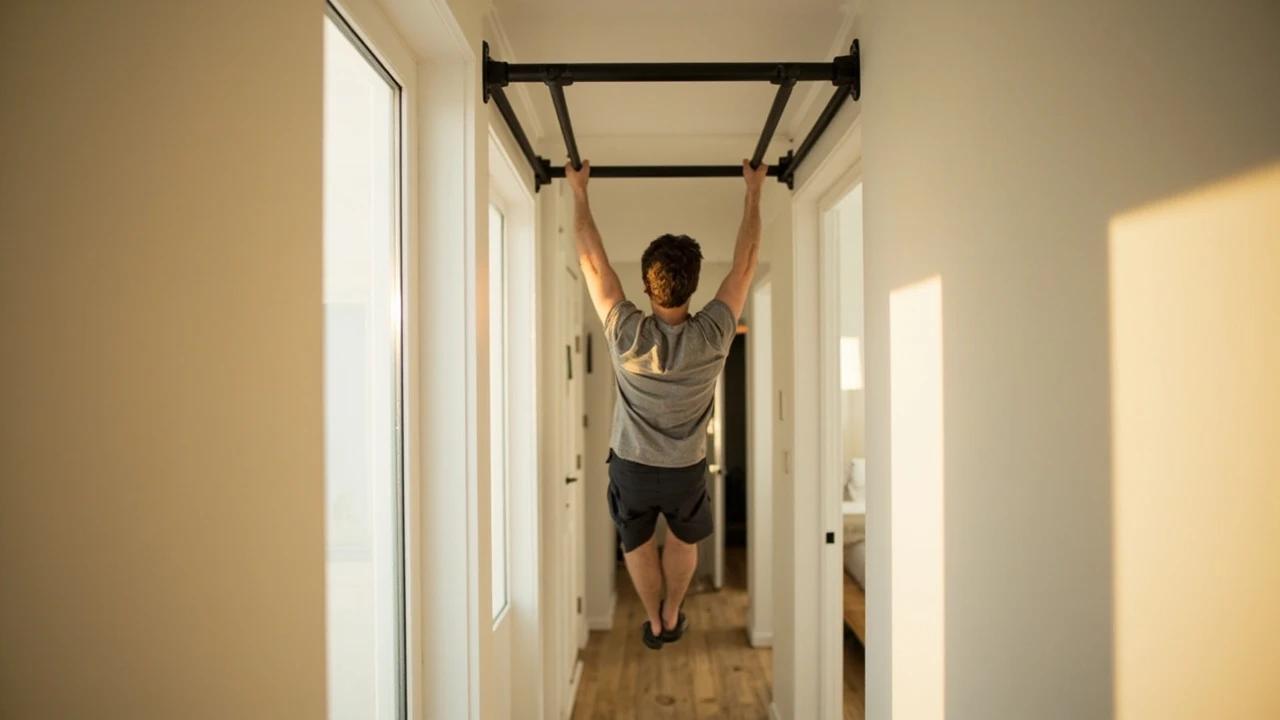
The mistake: 7'6" basement ceiling. Barbell overhead press impossible. Kipping pull-ups impossible. Expensive rack now useless for half of what you bought it for.
The fix: Measure before buying. Under 8 ft = skip standing overhead work or find a different room.
7. Buying the Premium Brand Before You Need It
The mistake: Rogue Ohio Bar ($300) as your first barbell when you squat 135 lb. The budget CAP bar performs identically at your level.
The fix: Buy the midrange version. Upgrade when you actually out-perform it (usually never, for most home lifters).
8. Not Wall-Anchoring the Rack
The mistake: Free-standing rack. Failed squat. Rack tips forward. Bar lands on you. This has killed people.
The fix: Wall-anchor the rack (or add 200+ lb ballast to the base). Two lag bolts. Ten minutes. Possibly life-saving.
9. Cheap Pulleys for DIY Cable Systems
The mistake: $3 zinc garage-door pulleys for a DIY cable system. Pulleys bind. Cable frays. Whole thing snaps mid-rep.
The fix: Ball-bearing pulleys rated for 300+ lb ($10-15 each). Cheap isn't always worth it.
10. Not Accounting for Humidity / Climate
The mistake: Cold garage. Warm house. Condensation on the barbell. Rust everywhere. Bar knurl destroyed in one winter.
The fix: Climate-control the space (even just a dehumidifier) or oil bar monthly. Steel plates are fine; chrome bars die.
11. Buying a Smith Machine Instead of a Rack
The mistake: Smith machine looks like a rack but locks the bar into a fixed path. Most programs don't work on a Smith. It's a $600 one-trick pony.
The fix: Buy a real power rack. Smith machines are for commercial gyms with insurance concerns.
12. Ignoring the Used Market
The mistake: Buying everything new from retailers. Paying retail when used costs 40-60% less.
The fix: Plates, racks, bars, benches — buy used from Facebook Marketplace, OfferUp, or r/homegymsales. Inspect for damage. Pay half the new price.
13. Overbuying Accessories Early
The mistake: Buying 10 bands, 5 straps, chalk, belt, wrist wraps, foam roller, massage gun on day one. $400 of accessories before your first barbell.
The fix: Buy accessories when you actually need them. Start with a $10 chalk bucket and a $40 belt. Add others as programs demand.
14. No Mirror for Form Check
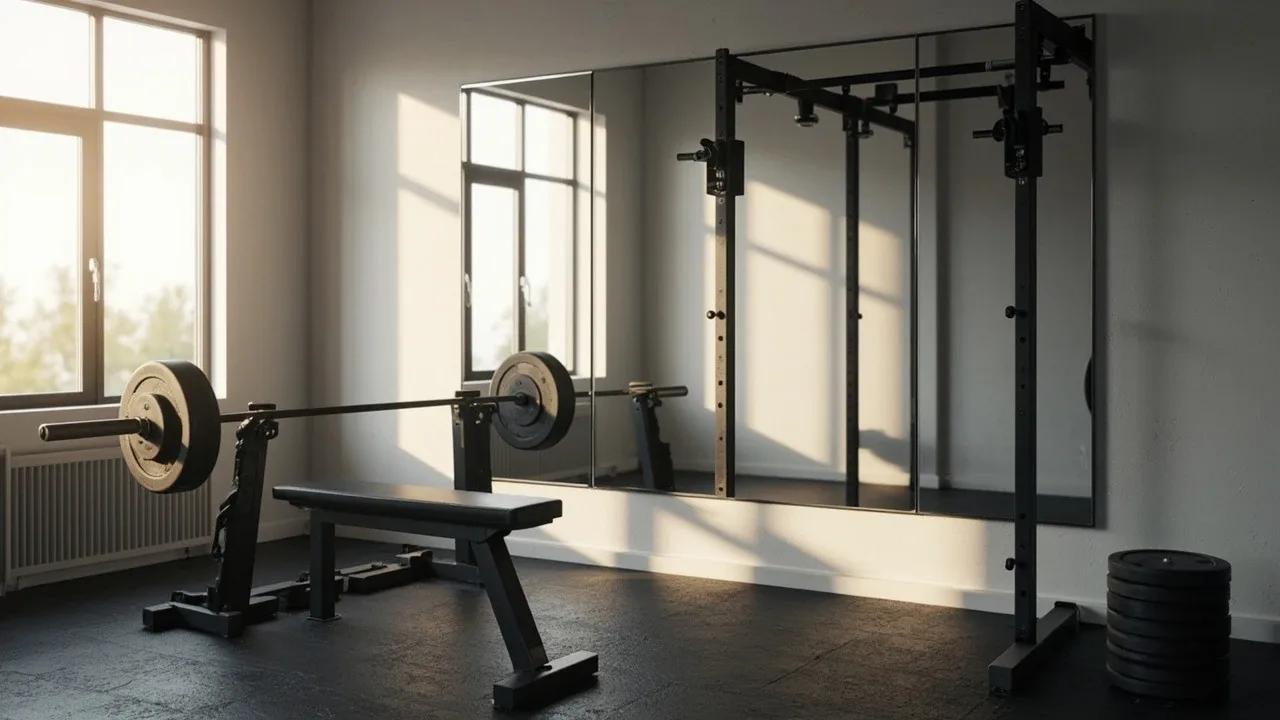
The mistake: Squatting without a mirror for 2 years. Terrible form locked in. Knee pain. Back pain. Probable re-learning required.
The fix: A $50 wall-mounted mirror from Home Depot. Better: record yourself with a phone on a tripod. Form matters more than weight.
15. Not Budgeting for Accessories Over Time
The mistake: "$1,500 for the full gym" — but belt wears out, cables fray, bar oil runs out, knurl dulls. Actual ongoing cost: $200-500/year.
The fix: Budget $200-500 per year for maintenance and replacement consumables.
The One Mistake No One Talks About
Waiting too long to start.
The "perfect" gym setup never comes. You tweak specs for 6 months and never start lifting. Meanwhile, someone who bought a cheap squat stand and a used barbell squatted 5 days a week for those 6 months.
Start with the minimum viable gym. Buy the rest as you train your way into it.
Frequently Asked Questions
Is a home gym worth it?
For consistent lifters, yes — a Core-tier gym ($1,500) pays for itself vs a gym membership in 3 years, and the convenience compounds. For unreliable lifters, a gym membership is better — the sunk cost of walking there forces consistency.
Biggest home gym regret?
Most people regret buying a treadmill first, buying standard (1") plates, or not flooring the space before equipment. Those three top the regret list on r/homegym.
What do most people get wrong?
Ignoring space constraints (ceiling height especially), buying fixed dumbbells instead of adjustable, and buying equipment before flooring.
Should I buy everything at once or build gradually?
Gradually. Start with flooring + dumbbells + bar + plates ($500-700). Train for 2-3 months. Then add the rack, bench, and accessories as you learn what you actually need.
What's the worst home gym purchase?
A Bowflex Xtreme or similar "all-in-one" cable-based machine. Looks impressive. Locks you into a narrow range of motion. Hard to resell. Don't.
Building from scratch? How to Build a Home Gym: The Complete 5-Step Guide — the cornerstone walkthrough that helps you avoid every mistake on this list before you make it.
One mistake people don't see coming: keeping the gym membership active for months "just in case." That $40-100/month overlap blows up the real cost — the home gym vs membership cost breakdown shows how the math flips once you commit.
The biggest small-room mistake is buying full-size gear. Best Home Gym Equipment for Small Spaces — the compact alternatives that avoid the most common small-space regret.
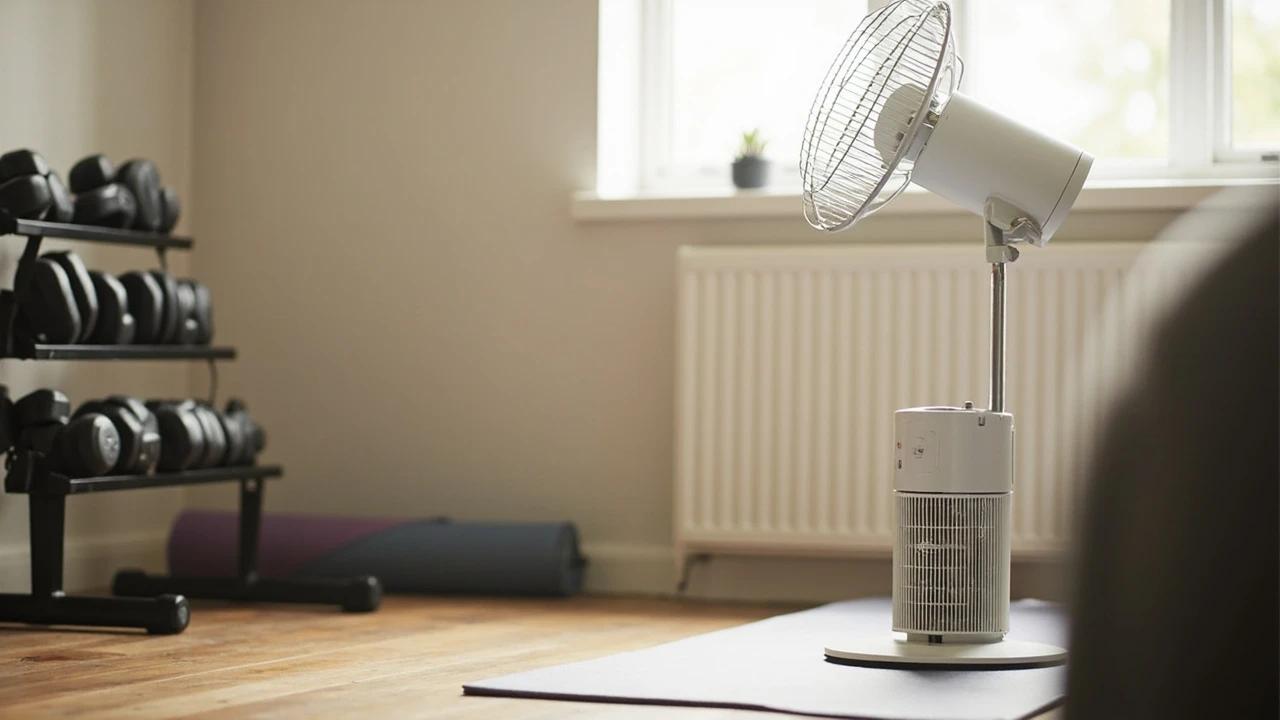
Forgetting airflow is a classic garage-gym mistake. Best Fans for a Garage Gym — the fans that stop summer heat from quietly killing your training consistency.
Layout mistakes are the hardest to undo in a garage. Racking against the wrong wall or ignoring the door swing costs usable training space — the single-car garage gym layout guide shows placements that avoid the common traps.
The mistake that outlasts every equipment error: training hard and eating at random. You can't out-lift a diet you've never measured. Two minutes in the calorie calculator gives you a maintenance number and a protein target to actually aim at.
A common early misstep: buying single fixed kettlebells one at a time. You outgrow each one and end up paying several times over. One adjustable unit covers 5-6 weights — the best kettlebells for a home gym lays out when adjustable is the right call and when cast-iron wins.
Haven't bought anything yet? Start here — a three-step walkthrough of space, equipment and budget that heads off most of the mistakes on this page before they cost anything.
Mounting a mirror before the layout is settled is its own mistake. Home Gym Mirrors: What Size, How High, What It Costs — sizing, placement, and the construction adhesive that quietly destroys mirror backing.
Buying a recovery device instead of fixing the programme is its own mistake. Best Massage Guns for Home Gyms: Amplitude & Stall Force — what a massage gun does mechanically, and what no device on the page will fix.