Table of Contents
Key takeaways
A 10×10 room can support a complete strength training setup for roughly $1,200–$2,100 using space-saving equipment choices.
- A PRx Performance folding rack ($599) and wall-mounted bench ($299) free floor space when not in use — essential in rooms under 120 sq ft.
- Ironmaster Adjustable Dumbbells ($649) replace a full dumbbell rack; horse stall mat flooring runs about $150 for 100 sq ft.
- Install flooring before positioning any equipment and take ceiling height measurements before ordering a rack.
- Vertical storage and multi-purpose gear convert the same square footage from roughly 60% to 90% usable training area.
Quick Answer
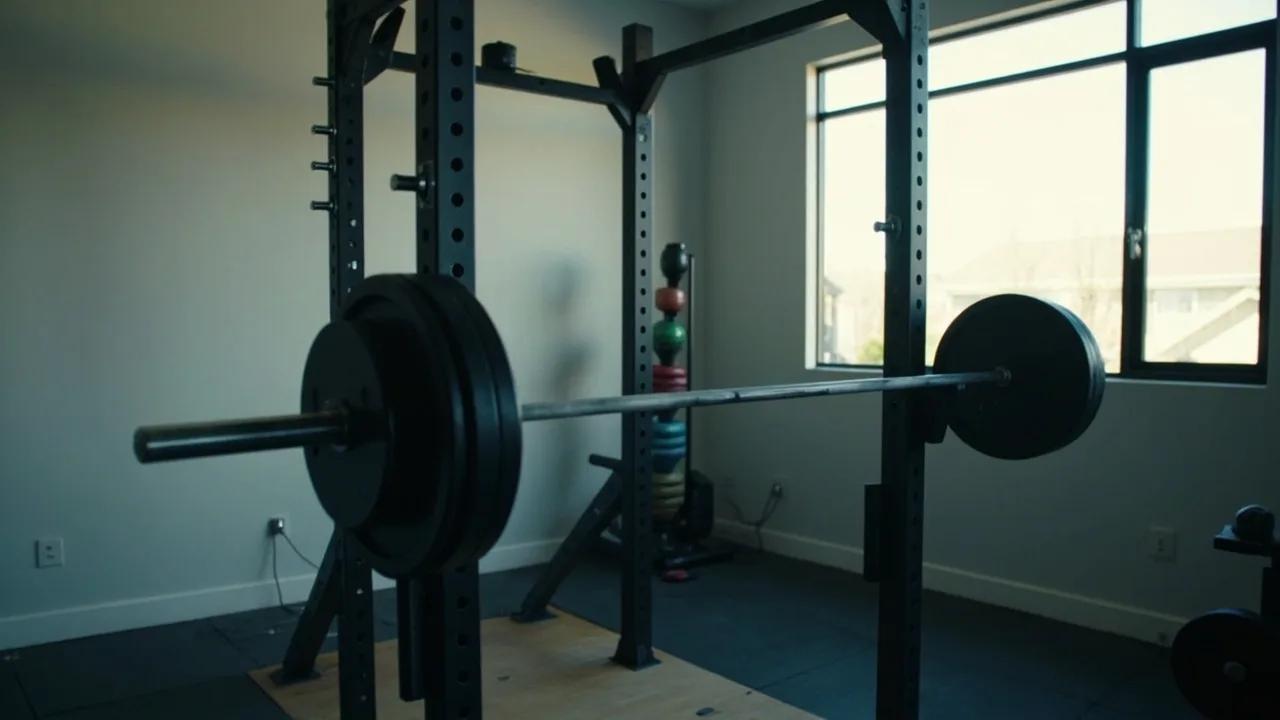
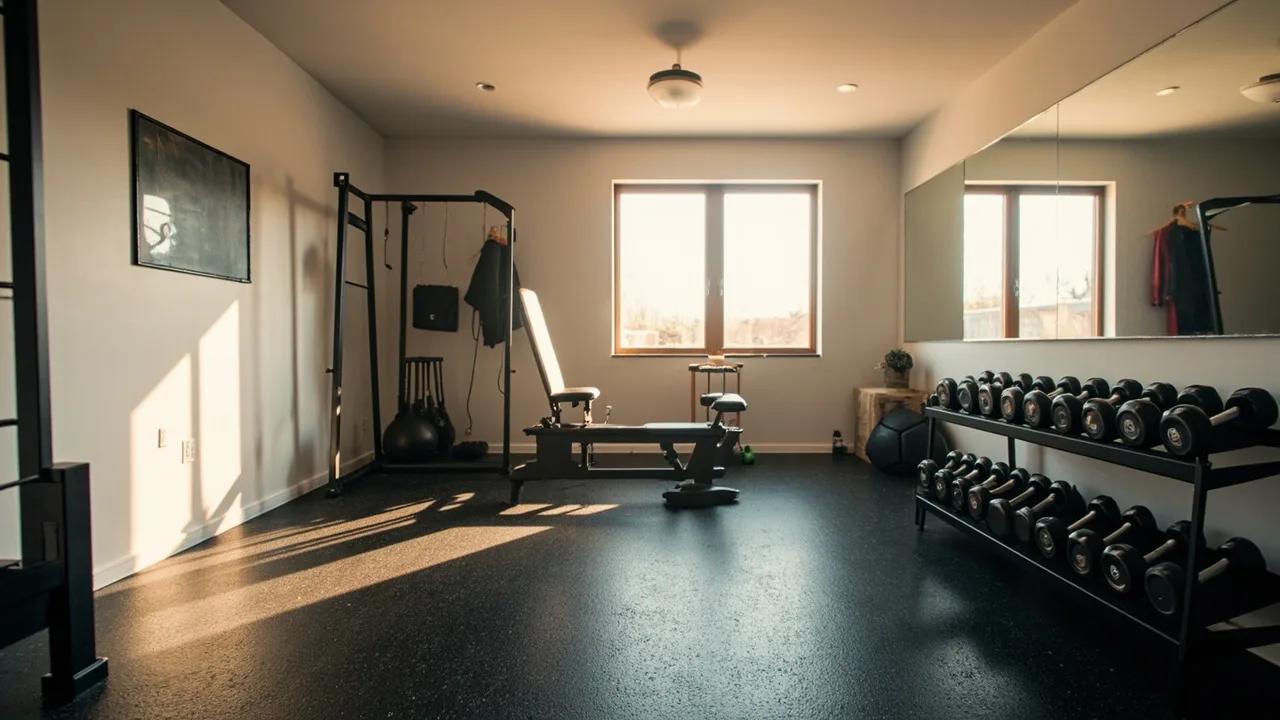
Transformed a cluttered 10x10 spare bedroom into a fully-equipped home gym for $1,200 over 6 weeks. Before: carpet, storage, dead space. After: rubber flooring, power rack, adjustable bench, full Olympic plate set, mirror, lighting.
- Budget: $1,200 total (could be done for $800 with more used gear)
- Time: 6 weekends for build + equipment hunt
- Biggest win: removing carpet saved the floor and improved the aesthetic dramatically
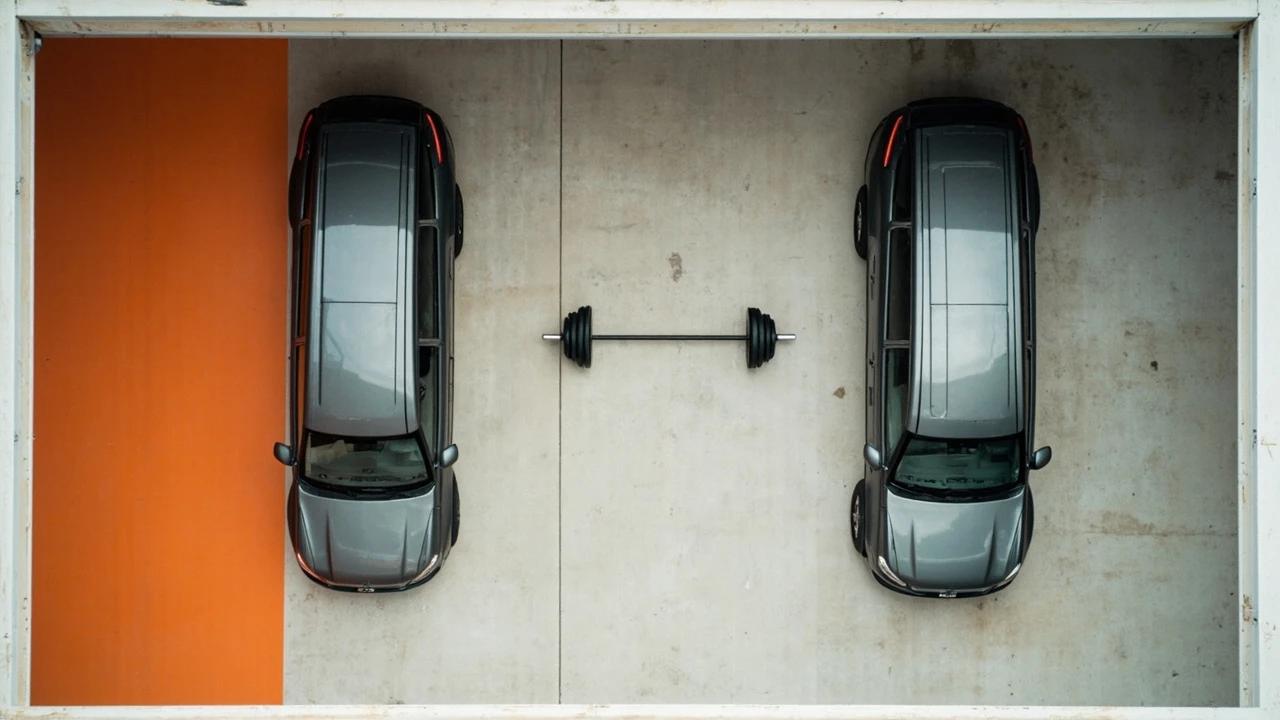
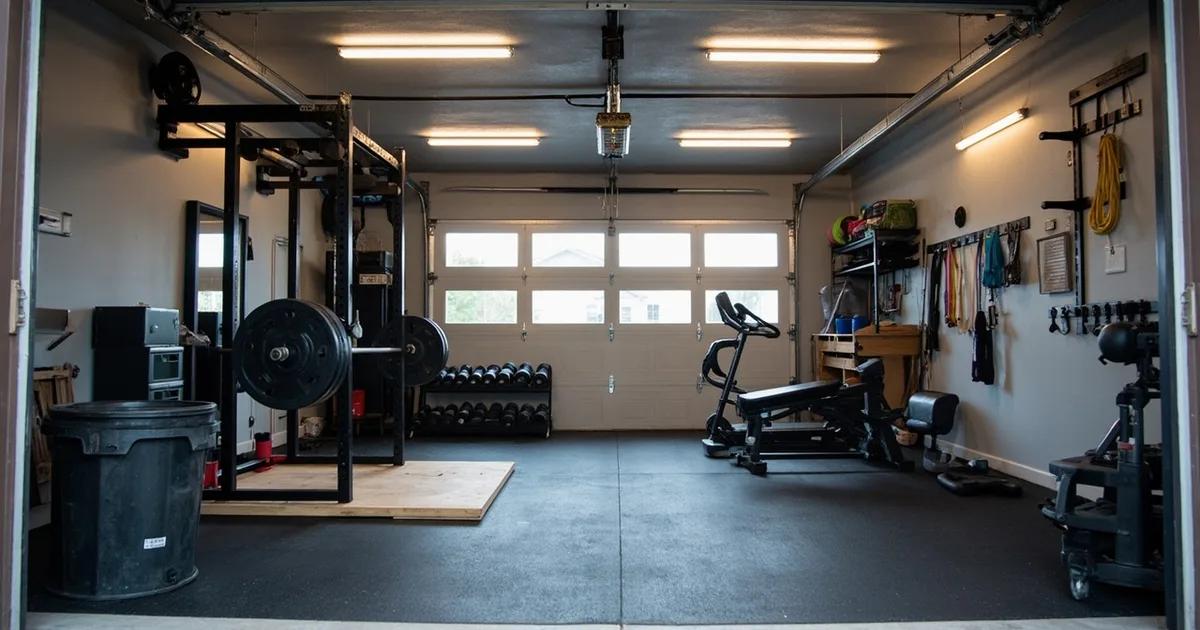
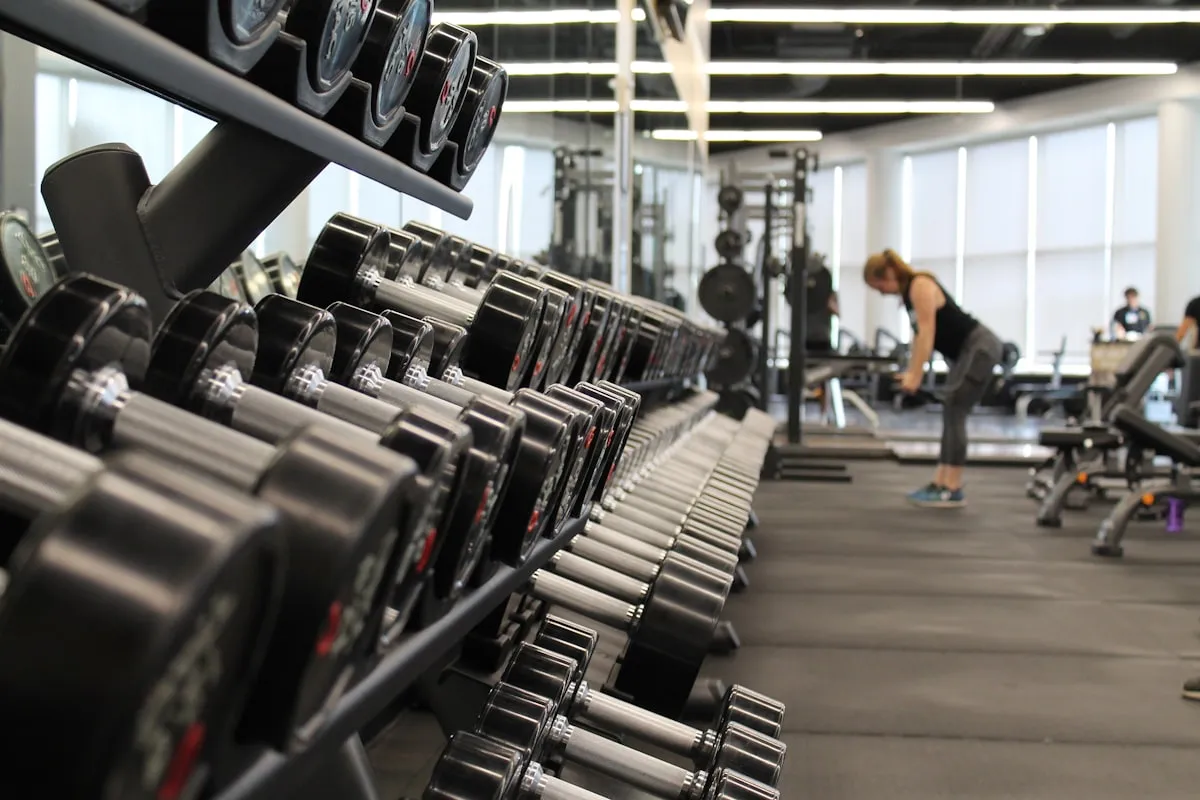
Transforming a small space into a home gym is easier than you think. In this comprehensive guide, we explore how a standard single-car garage can become a fitness sanctuary. The key is analyzing your space vertically, not just horizontally—and making every square inch count.
In this guide
- Home Gym by Room Size (complete guide)
- 10x10 home gym layout with floor plan
- Vertical storage for small gyms
- Cheap DIY gym flooring
- Apartment-safe setups (no drilling)
The Challenge: Working with Limited Square Footage
When we first looked at this 10x12 space, it seemed impossible. A car barely fits in a single-car garage, so how could we possibly fit a full workout setup? The answer lies in strategic planning and understanding that a home gym doesn't need to replicate a commercial facility.
Why Small Spaces Actually Work Better
Many people believe they need a massive basement to have a "real" gym. However, constrained environments force you to be efficient. You focus on the essentials: a barbell, a rack, and a bench. Distractions are removed, and the workout intensity often increases.
The psychology of small spaces:
- Less visual clutter means better focus during workouts
- Everything is within arm's reach, reducing rest times
- The intimate environment creates a personal connection to your training
- Easier to maintain consistent temperature and cleanliness
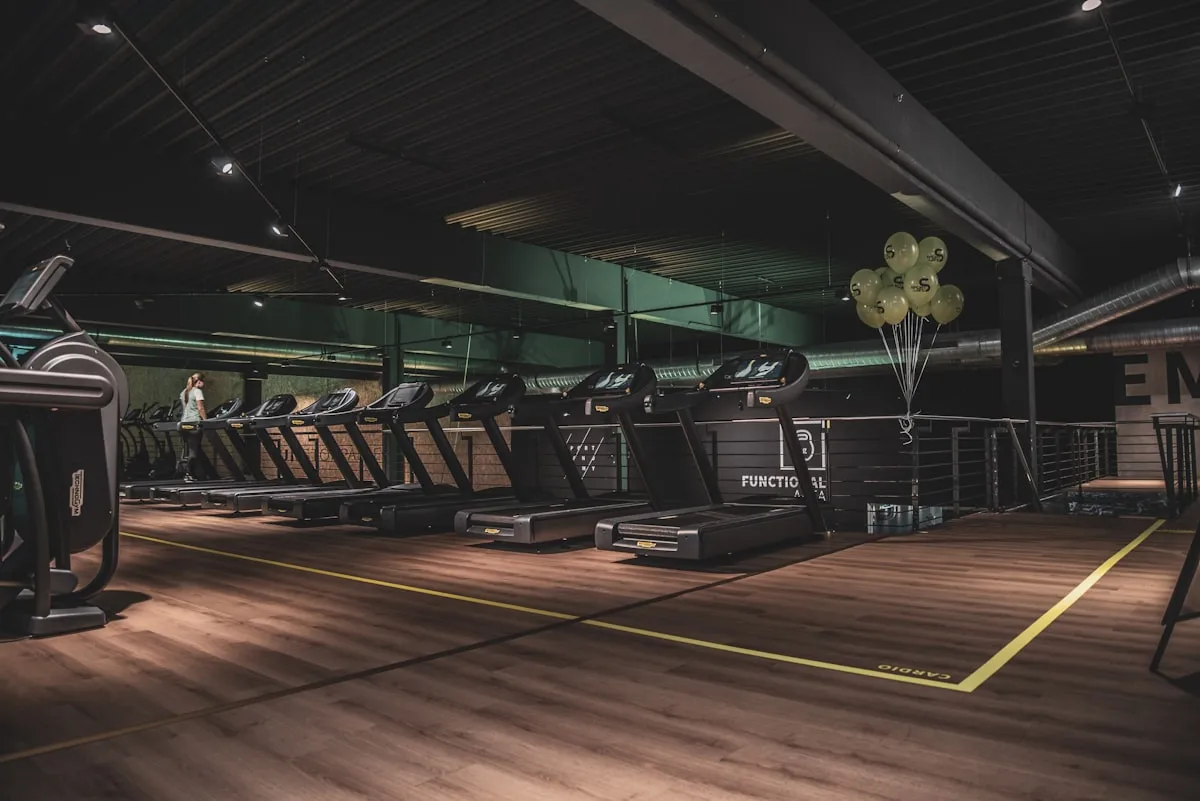
Step-by-Step Transformation Process
Phase 1: Planning and Measurement
Before purchasing a single piece of equipment, we spent two weeks measuring and planning. We created a scale drawing of the space and cut out paper templates of equipment footprints. This prevented costly mistakes.
Critical measurements to take:
- Ceiling height (for overhead pressing)
- Door swing clearance
- Electrical outlet locations
- Window positions for ventilation
Phase 2: Flooring Installation
We installed 3/4" horse stall mats directly over the concrete. This provides adequate protection for dropped weights while maintaining a stable surface for heavy lifts. Total cost: $150 for 100 sq ft of coverage.
Phase 3: Wall-Mounted Equipment
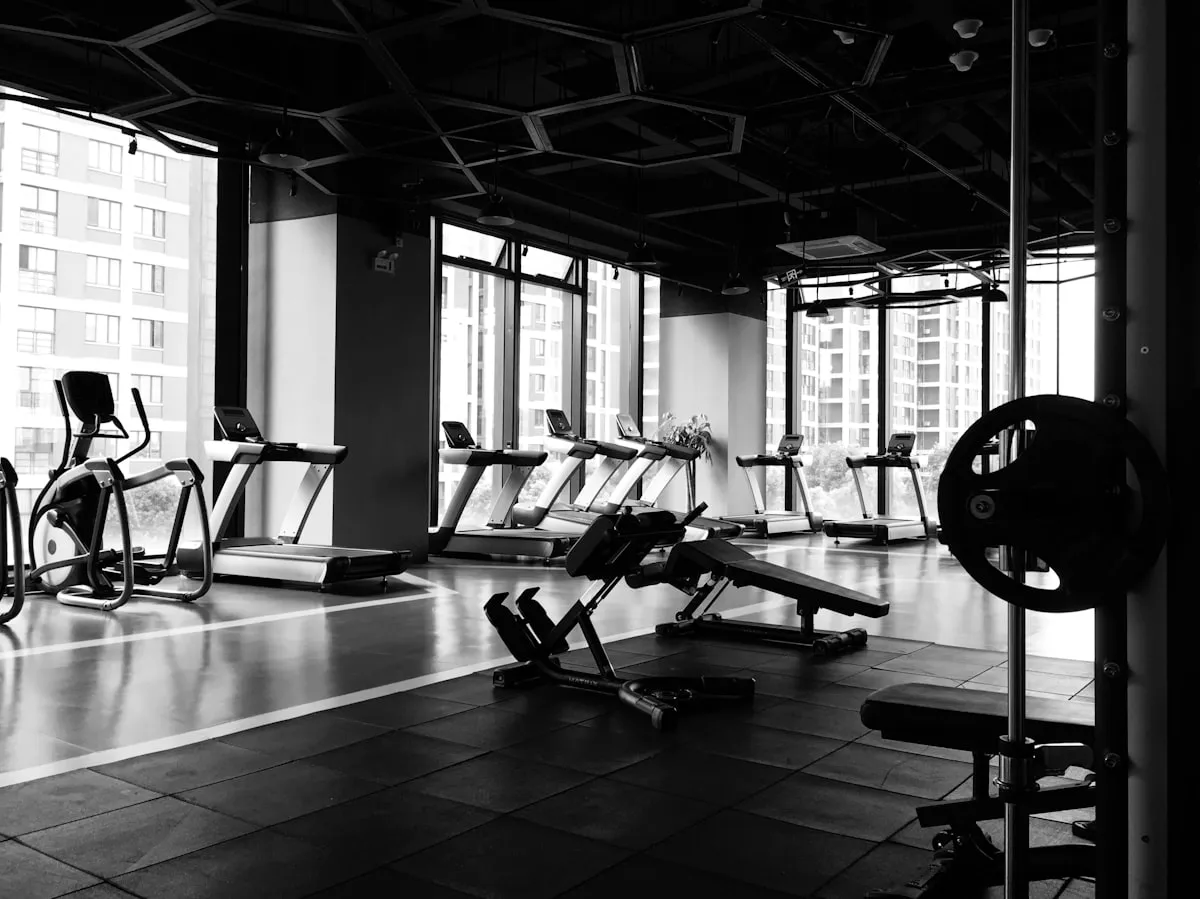
The game-changer for this build was the PRx Performance folding rack. When not in use, it folds flat against the wall, leaving the entire floor space open. This is essential if you still need to use the garage for its intended purpose occasionally.
Key Takeaways
- Vertical Storage: Use wall-mounted storage for weight plates and barbells to free up floor space.
- Multi-purpose Gear: Select equipment that serves multiple functions, like adjustable dumbbells or a rack with a built-in pull-up bar.
- Lighting & Mirrors: Good lighting and mirrors can make a 120 sq ft room feel like 300 sq ft.
- Climate Control: A portable AC unit and space heater extend your training season year-round.
Complete Equipment List
For this build, we focused on compact footprints:
| Equipment | Footprint | Cost |
|---|---|---|
| PRx Folding Rack | 4" when folded | $599 |
| Wall-mounted Bench | Hangs flat | $299 |
| Ironmaster Dumbbells | 2 sq ft | $649 |
| Barbell + Plates | Wall-mounted | $400 |
| Horse Stall Mats | N/A | $150 |
Total Investment: ~$2,100
Final Thoughts
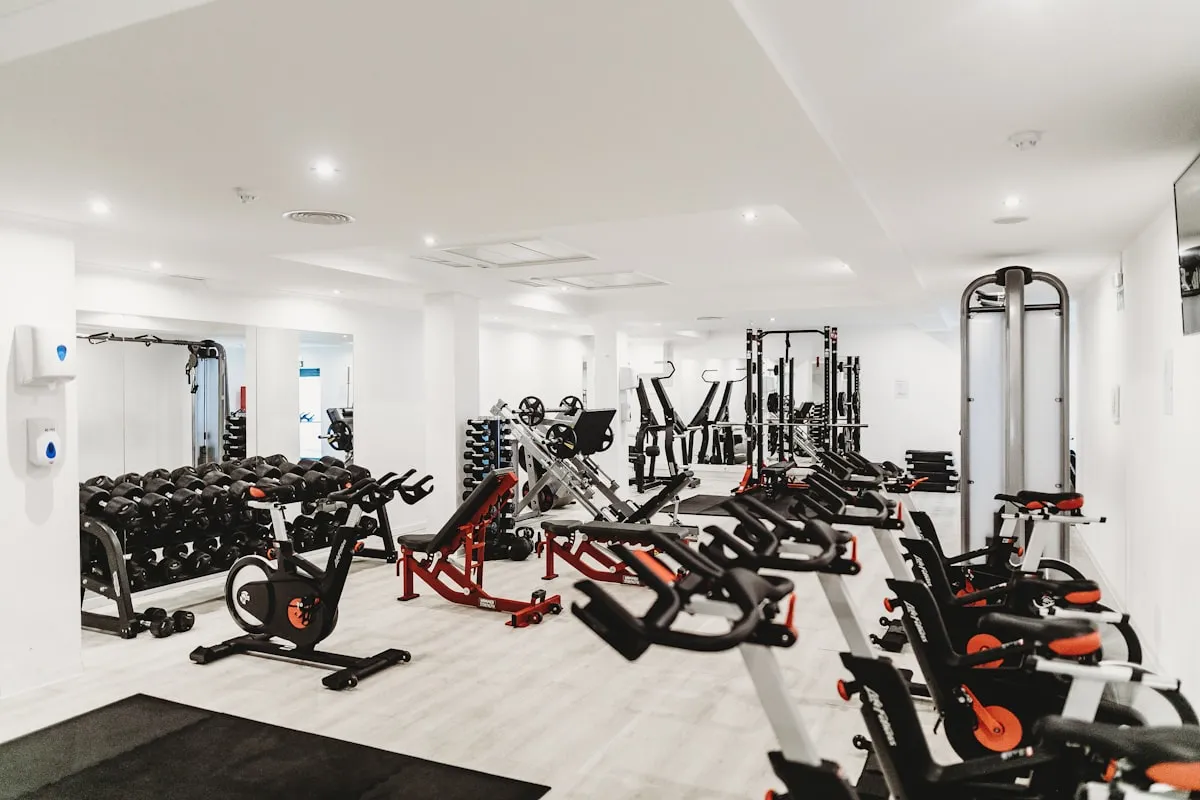
This transformation proves that you don't need a dedicated room to build an effective home gym. With careful planning and smart equipment choices, even a 120 sq ft space can support serious training. The limitations actually become advantages, forcing you to focus on what truly matters: consistent, effective workouts.
Budget check: How much does a home gym cost? See the full tier-by-tier breakdown — from $100 minimalist to $5,000+ premium builds.
Frequently Asked Questions
How small can a home gym be?
8x8 feet is the practical floor if you want a power rack. 6x8 works for dumbbells and benches. Under that, go bodyweight, bands, and a pull-up bar.
What's the first thing to install in a small gym?
Flooring. Everything else — rack, bench, weights — sits on it, and you can't add flooring after you've filled the space. Get it right on day one.
Can you fit a power rack in a 10x10 room?
Yes, with room to squat and deadlift safely. Budget-depth racks (30 inches) work best; competition-depth racks (40 inches) leave almost no walkaround space.
What's the hardest part of a small-space gym build?
Accepting the tradeoffs. You'll skip some exercises (long barbell rows, overhead drop sets). Replace them with DB and band variants — the cost is small.
Want a step-down version under 30 sq ft? The DIY Tiny Home Gym Guide covers the smallest viable build — a complete workout space in a closet or hallway nook.
Transforming a spare bedroom specifically? Best Home Gym Equipment for a Spare Bedroom — the room-specific equipment list and budget tiers for a bedroom conversion.
Planning your own version? Start in the free home gym planner — set your room size and place equipment at true scale before you buy.