Table of Contents
Key takeaways
PVC parallettes can be built in 30 minutes for $10–$15, supporting up to 200 lbs, while hardwood versions handle 300+ lbs for $15–$20.
- 1.5" Schedule 40 PVC is the fastest option; oak or maple dowels at 1.25" diameter provide greater load capacity.
- Retail parallettes run $40–$80; the DIY versions match function at a fraction of the cost.
- Dry-fit PVC pieces before gluing and allow 24 hours of cement curing time before use.
- Use construction-grade, structurally rated lumber for wood builds and pre-drill to prevent splitting.
Quick Answer
Build a pair of DIY parallettes for $10-15 in under 90 minutes using PVC or hardwood dowels. The PVC version is cheaper and lighter; the hardwood version feels better and lasts forever. Both hold 300+ lb when built correctly.
- PVC build: 1.5" Schedule 40 pipe, fittings, ~$10
- Wood build: Oak or maple dowels, plywood bases, ~$15-20
- Build time: 60-90 minutes per pair
Why buy when you can build? Hardware store materials transform into sturdy, functional gym equipment at a fraction of retail prices. This guide provides step-by-step instructions for five essential DIY builds.
In this guide
- DIY home gym projects hub
- DIY pull-up bar under $20
- DIY plyo box under $30
- Best home gym equipment under $50
The DIY Advantage
Building your own equipment offers more than just cost savings:
- Customization: Build to your exact specifications
- Understanding: Know exactly what your equipment can handle
- Satisfaction: Pride in training with gear you made
- Skills: Learn basic construction applicable elsewhere
Project 1: PVC Parallettes
Difficulty: Easy Time: 30 minutes Cost: ~$15 Retail equivalent: $40-80
Materials
- 10 feet of 1.5" Schedule 40 PVC pipe
- 4 x 90° elbows
- 4 x T-joints
- 8 x end caps
- PVC primer and cement (optional but recommended)
Cutting List
| Piece | Length | Quantity |
|---|---|---|
| Handles | 12" | 2 |
| Uprights | 6" | 4 |
| Base sides | 6" | 4 |
| Base fronts | 12" | 4 |
Assembly Instructions
- Dry-fit all pieces first to ensure proper alignment
- If gluing: apply primer, then cement, and quickly assemble
- Ensure handles are parallel and level
- Allow 24 hours for cement to fully cure
Use Cases
- Push-up variations (reduces wrist strain)
- L-sits and tuck holds
- Planche progressions
- Handstand push-ups
- Dips (if made taller)
Project 2: DIY Loading Pin
Difficulty: Easy Time: 15 minutes Cost: ~$8 Retail equivalent: $25-35
Materials
- 1 x 12" pipe nipple (3/4")
- 1 x floor flange (3/4")
- 1 x pipe cap (3/4")
- Carabiner (optional, for attaching to belt)
Assembly
- Thread pipe nipple into floor flange
- Thread cap onto opposite end
- Attach carabiner to flange holes if using with dip belt
Use Cases
- Belt squats with cable system
- Weighted dips and pull-ups
- Wrist roller attachment
- Plate-loaded calf raise
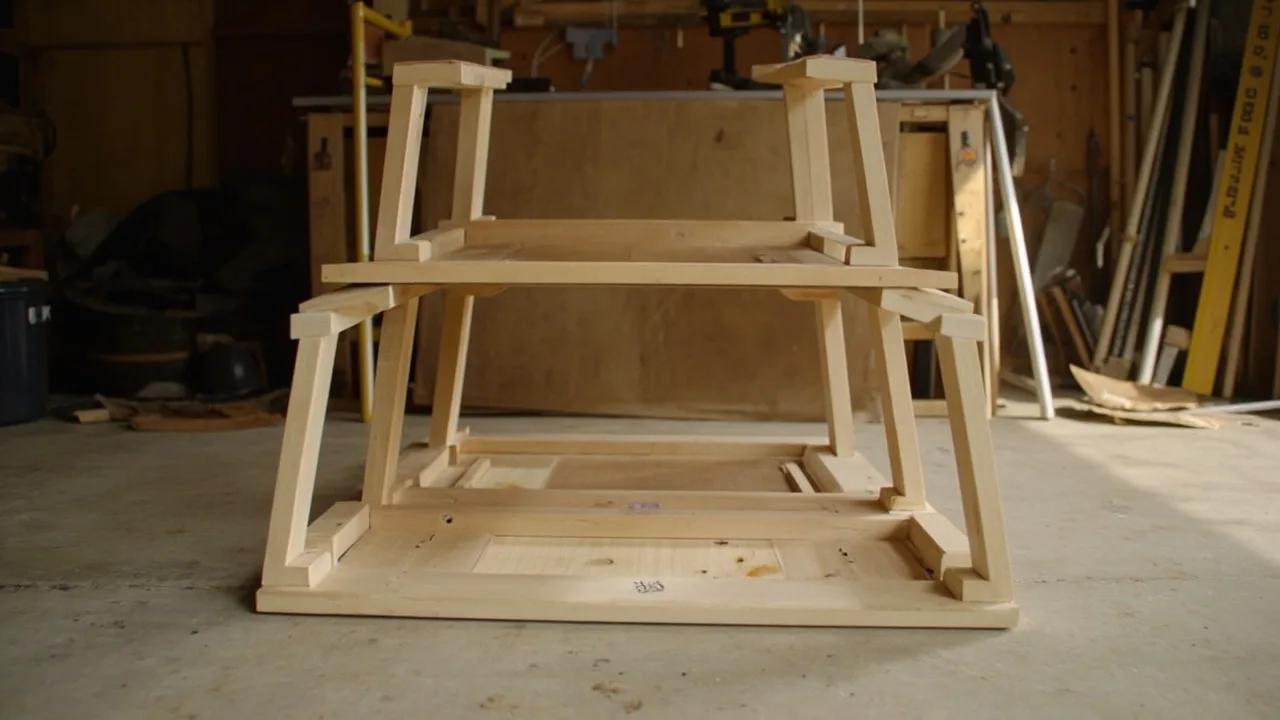
Project 3: Wooden Plyo Box (3-in-1)
Difficulty: Intermediate Time: 2-3 hours Cost: ~$35-50 Retail equivalent: $100-150
Materials
- 1 x sheet of 3/4" plywood (4x8 feet)
- Wood screws (2.5" and 1.5")
- Wood glue
- Sandpaper
- Optional: non-slip tape
Cutting List (for 20x24x30 box)
| Piece | Dimensions | Quantity |
|---|---|---|
| Sides | 24" x 30" | 2 |
| Top/Bottom | 20" x 28.5" | 2 |
| Ends | 20" x 24" | 2 |
Assembly Instructions
- Cut all pieces with circular saw or have hardware store cut
- Sand all edges to prevent splinters
- Apply wood glue to joints
- Pre-drill holes to prevent splitting
- Secure with screws at 6" intervals
- Fill screw holes with wood filler
- Sand smooth and apply finish if desired
- Add non-slip tape to jumping surfaces
Use Cases
- Box jumps at three heights (20", 24", 30")
- Step-ups and Bulgarian split squats
- Box squats
- Seated exercises
- Incline push-ups
Project 4: Wooden Squat Rack
Difficulty: Advanced Time: 4-6 hours Cost: ~$80-120 Retail equivalent: $200-400
Materials
- 6 x 8-foot 4x4 posts
- 4 x 8-foot 2x6 boards
- 2 x 8-foot 2x4 boards
- 16 x 5/16" carriage bolts (6" length)
- 16 x nuts and washers
- J-hooks (Yes4All, $25)
Construction Overview
This builds a sturdy squat stand capable of holding 500+ lbs when properly constructed.
Frame dimensions:
- Height: 7 feet
- Width: 4 feet (outside)
- Depth: 4 feet
Critical Safety Notes
- Use construction-grade lumber rated for structural use
- All bolts must be properly tightened with washers
- Check for splits or cracks before each use
- Do not exceed 500 lb working load
- Add diagonal bracing for lateral stability
Project 5: Sandbag Filler Bags
Difficulty: Easy Time: 20 minutes Cost: ~$10 Retail equivalent: $15-25
Materials
- Heavy-duty contractor bags (39 gallon)
- Duct tape
- Play sand (50 lb bag: $4-5)
- Outer duffel bag
Assembly
- Double-bag the contractor bags (one inside the other)
- Fill with desired sand amount (start with 40 lbs)
- Remove as much air as possible
- Twist and tape the opening multiple times
- Place inside duffel bag
Pro tip: Make multiple filler bags at 20 lbs each. This allows quick weight adjustments by adding or removing bags.
Tool Requirements Summary
Essential tools for all projects:
- Measuring tape
- Pencil
- Handsaw or circular saw
- Drill/driver
- Adjustable wrench
Optional but helpful:
- Speed square
- Clamps
- Orbital sander
- Level
Final Thoughts
These five projects cover fundamental gym equipment needs:
- Parallettes → upper body pushing/holds
- Loading pin → weighted progressions
- Plyo box → explosive training
- Squat rack → barbell work
- Sandbag → loaded carries and conditioning
Total investment: ~$150 in materials Total retail equivalent: ~$400-600
The skills transfer too. Once you've built a plyo box, you understand joinery well enough to tackle furniture or home improvement projects. Building things is its own reward.
Related DIY Projects
Frequently Asked Questions
What's the best wood for parallettes?
Hardwood dowels (oak or maple, 1.25 inch diameter) feel best and hold up indefinitely. Pine works and is half the cost but dents with heavy use.
DIY vs buying parallettes — worth it?
DIY is worth it for the $15-30 savings and the customization (pick your own height and grip diameter). Commercial parallettes run $40-70 and are ready in 5 minutes.
Can parallettes replace a pull-up bar?
No. Parallettes work the pushing side (dips, push-ups, L-sits, planche progressions). You still need a bar or rings for pulling work.
How much weight can DIY parallettes hold?
Solid hardwood with glued dowel-to-base joinery handles 300+ lbs easily. PVC parallettes (using 1.5" Schedule 40 pipe) are rated for 200+ lbs and plenty safe for bodyweight work.
Parallettes are a perfect tiny-gym staple. Pair them with the other minimal DIY picks in The DIY Tiny Home Gym Guide for a complete sub-30-sq-ft setup.