
Table of Contents
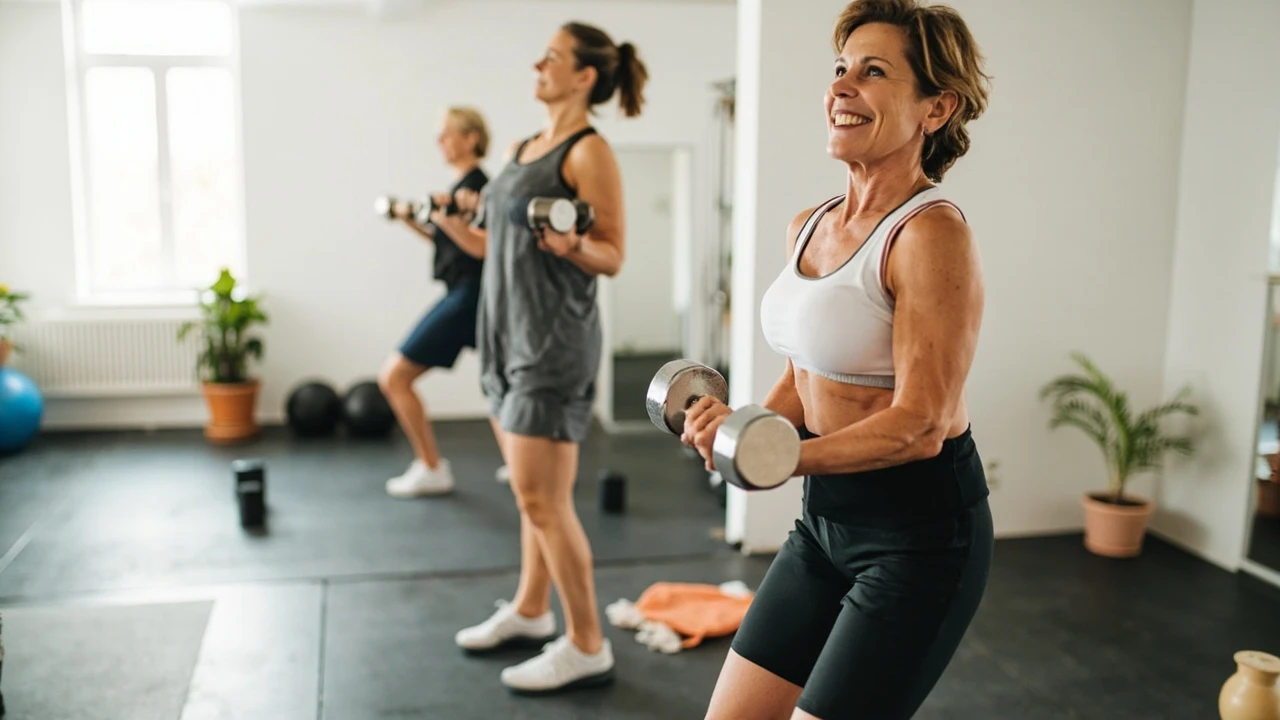
As we age, the goal of exercise shifts. It's less about "six-pack abs" and more about functional independence. Can you carry groceries? Can you get up from a chair without using your hands? Can you catch yourself if you stumble? The CDC recommends at least 150 minutes of moderate activity per week for adults over 65, plus muscle-strengthening activities 2 days a week. A home gym removes the barriers of travel, gym fees, and intimidation. But safety is paramount. Here is the best equipment for building strength safely.
Quick Answer
The equipment worth owning after 60, in the order worth buying it:
- A foam balance pad ($40) — fall prevention outranks everything else here, and balance work is the category with the strongest trial evidence behind it. See best balance training equipment for seniors.
- Resistance bands with handles and a door anchor ($62) — full-body strength with nothing that can land on your foot.
- A recumbent bike ($250–$380) — zero-impact cardio you cannot fall off.
- Light neoprene dumbbells ($33) — 2 to 10 lb, hex-shaped so they will not roll underfoot.
- A sturdy bench — once getting to the floor is hard, seated work is where training continues.
A complete senior setup runs $380–$530 and none of it wears out. Buy in that order rather than all at once: the first $100 does more than the next $400.
1. Recumbent Exercise Bikes (Cardio)
Upright bikes can be hard on the back and balance. Treadmills carry a fall risk. Winner: The Recumbent Bike. See our complete recumbent bike buying guide for detailed reviews.
- Why: You sit back in a bucket seat with full back support. Your legs pedal in front of you.
- Benefits: Zero impact on knees and hips. Impossible to fall off. Great for cardiovascular health.
- Top Pick: Schwinn 290 Recumbent Bike — 25 resistance levels, a 330 lb capacity, and a low step-through frame (no lifting a leg high to get on). Check the Schwinn 290 on Amazon.
2. Resistance Bands with Handles
Free weights (dumbbells) rely on gravity. If you drop them, they crush your toes. Resistance bands have no gravity risk.
- Why: They provide "accommodating resistance" (easier at the start, harder at the end).
- Key Feature: Get bands with Door Anchors and Foam Handles. Grip strength often declines with age; holding a thin rubber strip is painful. Check our complete buying guide for senior-friendly bands.
- Top Pick: Bodylastics Stackable Tube Bands. They come with a "snap guard" inner cord so if the rubber breaks, it doesn't snap back and hit you. Check the Bodylastics Pro Series set on Amazon.
3. The Stability Ball (Swiss Ball)
Note: Only for those with decent underlying balance.
- Use: Sitting on a stability ball while watching TV engages the core muscles efficiently.
- Safety Tip: Buy a "Burst-Resistant" ball (search burst-resistant exercise balls on Amazon). If it punctures, it slowly deflates rather than popping like a balloon.
4. Dumbbells (Lightweight & Neoprene)
Iron dumbbells are cold, slippery, and roll away.
- Winner: Neoprene Coated Hex Dumbbells.
- Why: The neoprene coating is soft, easy to grip, and warm. The hexagonal shape prevents them from rolling underfoot (a major trip hazard).
- Weight: Start with 2lbs, 5lbs, and 8lbs. Check a neoprene dumbbell set on Amazon — 2, 3, 5, 8 and 10 lb pairs.
5. A Sturdy Bench (with Leg Hold-Down)
If getting down to the floor is difficult, a bench allows you to do rows, presses, and seated leg exercises.
- Look For: A bench with a wide base (stability) and thick padding. Avoid narrow "utility" benches that feel tippy.
What to Buy First
Most equipment lists for seniors are inventories. What a hub owes you is an order, because these five things are not equally urgent.
Under $150 — the fall-prevention kit
A foam balance pad at $40, a band set with handles and a door anchor at $62, and a thick mat for floor work.
That is a complete starting gym, and it is deliberately not the exciting one. Balance training is the only category on this page with a body of trial evidence behind it for reducing falls, and a fall is the thing that actually ends independence — not weakness in the abstract. Bands cover every major muscle group in the meantime without ever putting a weight above your foot.
$150–$400 — add cardio you cannot fall off
Add a recumbent bike. The Marcy recumbent covers the budget tier at about $250; the Vanswe at $380 is rated to 380 lb and suits larger riders.
The feature that matters is the step-through frame. You should not have to lift a leg over a crossbar to begin a workout, and a machine that is awkward to mount is a machine that gets used twice. The recumbent bike guide compares them properly.
$400+ — add load, and somewhere to sit
Light neoprene dumbbells — $33 for 2, 3, 5, 8 and 10 lb pairs — and a sturdy bench.
This is where progressive overload begins and where the bench stops being optional. Seated presses and rows remove balance from the equation entirely, which means you can push the load without the movement itself becoming the risk.
What to Avoid
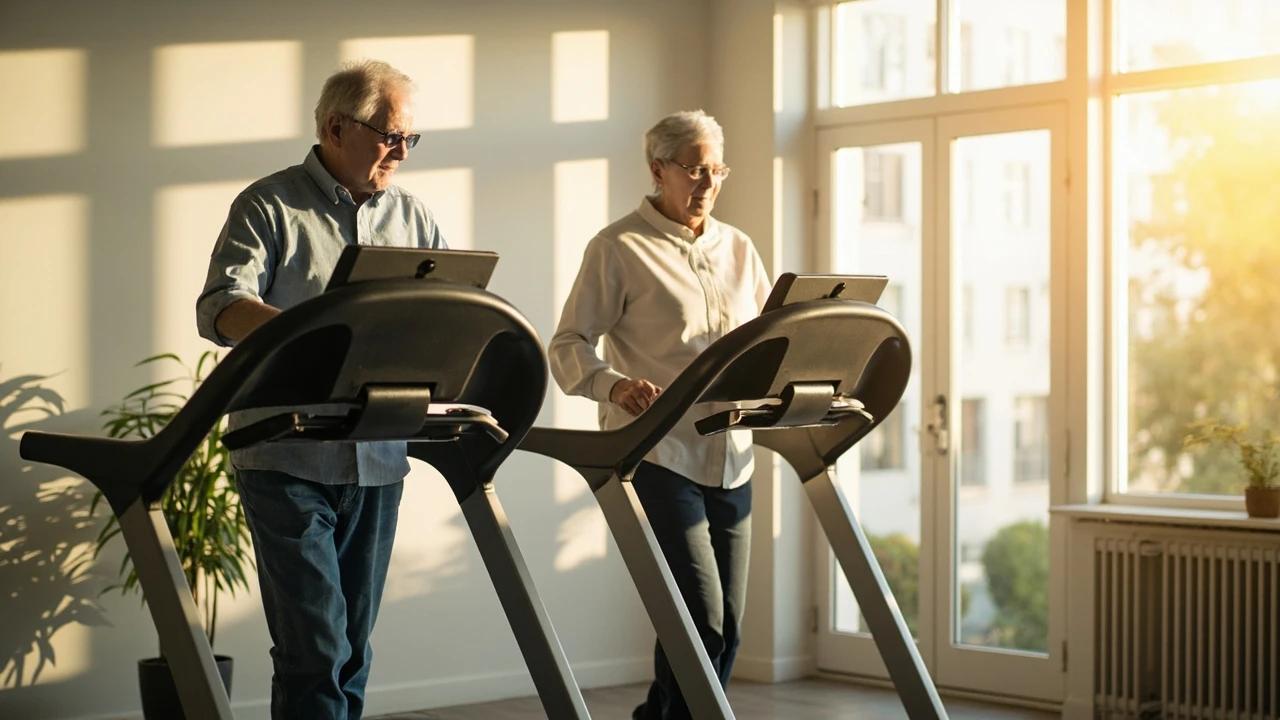
- Treadmills, unless you choose one carefully. A moving belt is a genuine fall hazard if you get dizzy or lose focus, and that risk never fully goes away. It is manageable: a 0.5 mph start speed, long side handrails, a low step-up height and a safety clip attached to your clothing change the picture considerably, and best treadmills for seniors ranks exactly those features above motor specs. But if you have a diagnosed balance disorder or any history of falls, skip the category — use the recumbent bike instead. See also fall-proof home gyms.
- Heavy Barbell Squats: Unless you are an experienced lifter, the spinal compression isn't worth the risk. Goblet squats (holding one dumbbell) are safer.
- Ab Wheels: Extremely hard on the lower back.
Frequently Asked Questions
What is the single most important piece of equipment for a senior?
A foam balance pad, at around $40. It is the cheapest item on this page and the one with the strongest evidence behind it. Strength equipment builds capacity, which is worth having; balance equipment protects the thing whose loss actually ends independent living.
Is it safe to start strength training at 70 or older?
Yes. Major physical-activity guidelines recommend muscle-strengthening work for older adults with no upper age limit, and the CDC guidance cited above applies to adults 65 and over rather than stopping there. The caution belongs on load and progression, not on age: start with bands rather than weights, change one variable at a time, and clear it with your doctor first if you have cardiac, joint or blood-pressure conditions.
How much space does a senior home gym need?
Less than most people expect. Everything above fits a corner of roughly 5 ft by 5 ft, and every piece except the bike stores in a closet. Clear floor matters more than storage — you want uncluttered ground around whatever you are using, with no cords, rugs or furniture edges inside the working area.
Should I buy adjustable dumbbells instead of fixed pairs?
Usually not, at these weights. An adjustable mechanism adds moving parts and a selection step before every set, and the range that matters here — 2 to 10 lb — is cheap enough as fixed pairs that the complexity buys nothing. Adjustable dumbbells start earning their price above roughly 25 lb per hand.
Can I do this if I have arthritis?
Generally yes, with adjustments to grip and range rather than abandoning training. Bands with thick foam handles are far kinder to arthritic hands than a bare dumbbell handle, and warm neoprene beats cold iron. The home gym equipment for arthritis guide covers the specific swaps.
Summary Checklist
- Cardio: Recumbent Bike.
- Strength: Resistance Bands taking the place of machines.
- Comfort: Thick yoga mat (1/2 inch) for any floor work.
- Safety: Clear the floor of all cords and clutter.
- Arthritis? See our dedicated guide on home gym equipment for arthritis.
Looking specifically at walking pads? Best Walking Pads for Seniors — the dedicated review of the five worth buying, with safety features prioritized over specs.
Need the program, not just the gear? Strength Training After 60 for Beginners — the 12-week progressive plan that pairs with this equipment list, with all medical caveats clearly flagged.
Going deeper on balance specifically? Best Balance Training Equipment for Seniors — the 7 picks that pair with the equipment list here, including the foam pad every senior should own.
Worried about bone density? Exercises for Osteoporosis Prevention in Seniors — the three exercise categories that build bone, plus the specific movements to avoid with osteoporotic spine.
Looking specifically at treadmills? Best Treadmills for Seniors — the dedicated buying guide, with safety features ranked above motor specs and a low-step budget pick.
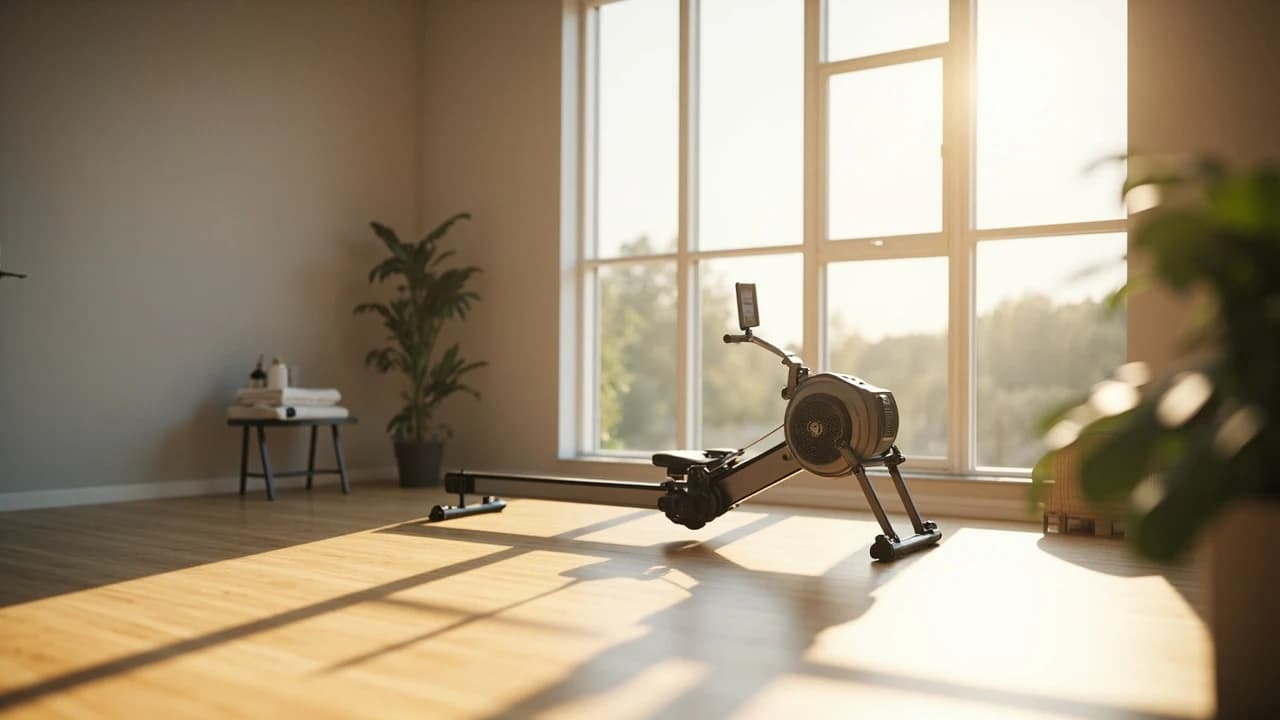
Adding full-body cardio? Best Rowing Machines for Seniors: Seat Height First — five rowers from $120 to $1,155, ranked by how easily you can get off them.