Table of Contents
Key takeaways
A basement gym can achieve a boutique-studio look with deliberate lighting, deep-toned walls, and cohesive matte-black equipment finishes.
- Layer lighting across three zones — ambient, task, and accent — targeting 300-plus lumens per square foot.
- Deep charcoal gray walls (e.g., Benjamin Moore "Wrought Iron") and minimal-branding equipment create visual cohesion.
- Choose 8mm rubber flooring in a gray fleck color rather than standard black to reflect more light.
- Address basement moisture before any finishing work; humidity above 60% causes steel to rust.
Design matters more than most lifters admit. An inviting space motivates you to show up day after day. This minimalist basement build proves you don't need a warehouse—or an ugly setup—to train seriously.
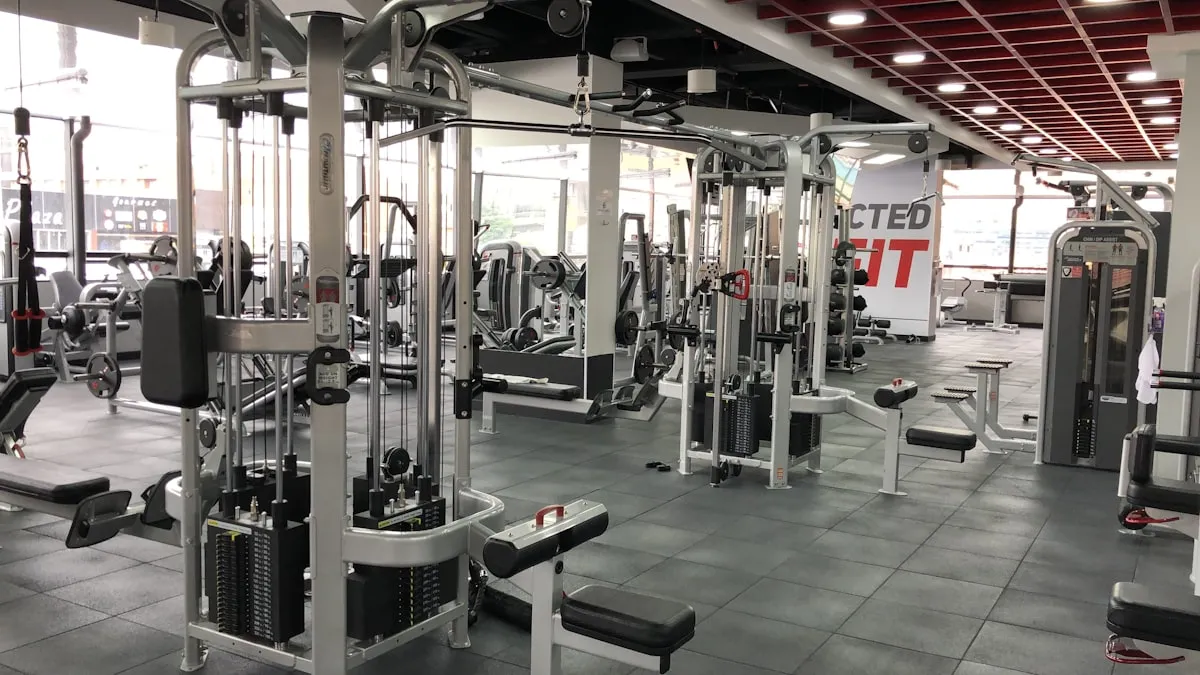
The Vision: Boutique Studio at Home
When planning this 10x16 basement corner, the goal wasn't to replicate a commercial gym. Instead, the inspiration came from high-end boutique studios—places where the environment itself elevates the training experience.
Design Principles Applied
Principle 1: Color Psychology
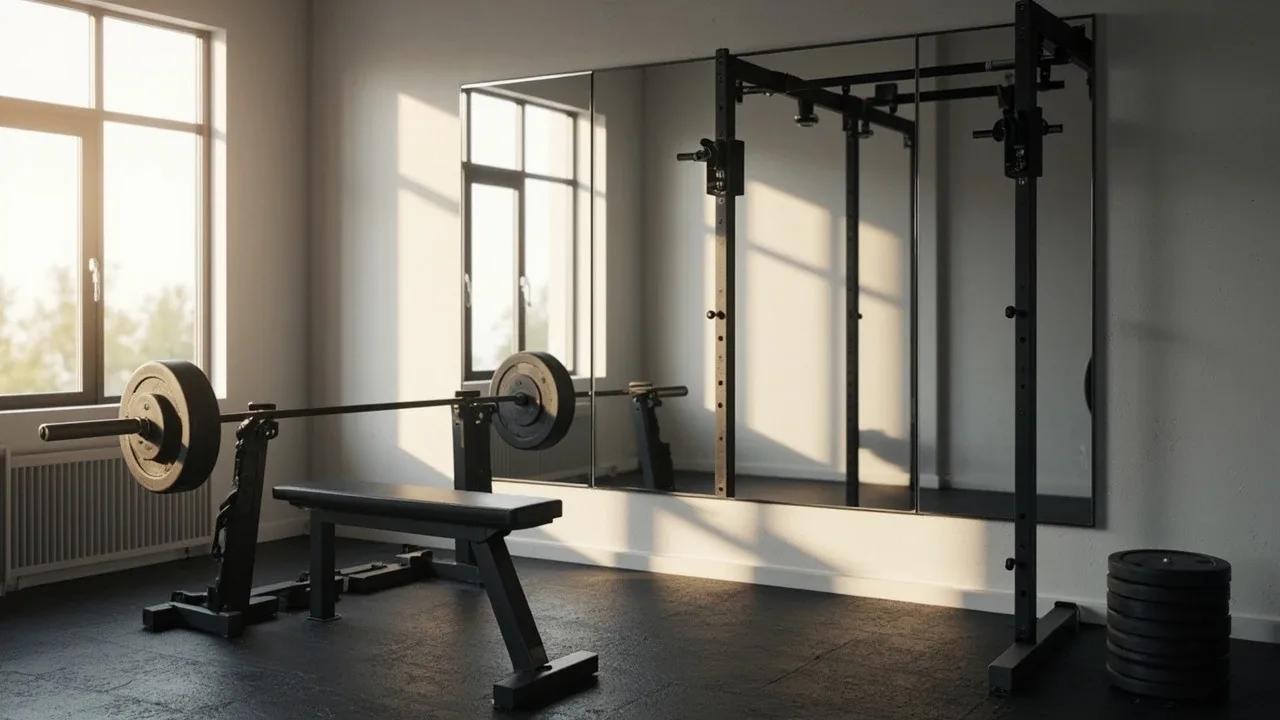
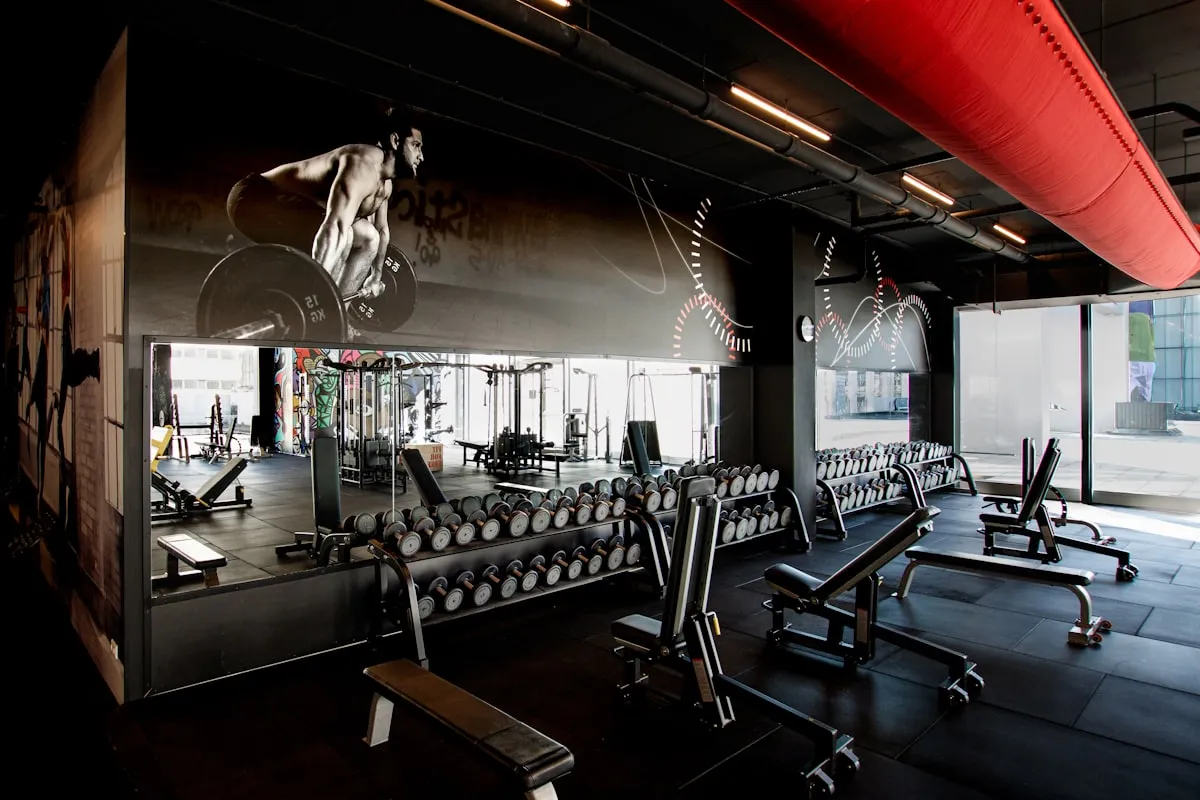
The walls use a deep charcoal gray (Benjamin Moore "Wrought Iron") that absorbs light and creates intimacy. Against this backdrop, the equipment—powder-coated in matte black—almost disappears, leaving focus on the workout itself.
A single accent wall in burnt orange provides energy without overwhelming the space. This color was chosen deliberately to increase heart rate and motivation.

Principle 2: Intentional Lighting
Lighting makes or breaks a home gym aesthetic. This build uses three lighting zones:
- Ambient: Warm LED strips (2700K) behind the mirror create a soft glow
- Task: Overhead track lighting (4000K) illuminates the lifting platform
- Accent: RGB strips under the rack pulse during heavy sets
The lights connect to a smart home system, allowing preset "scenes" for different workout types. Heavy lifting gets bright, focused light. Stretching and mobility get dim, warm tones.
Principle 3: Negative Space
The temptation in any gym is to fill every corner with equipment. This build resists that urge. Negative space—empty floor and wall areas—makes the room feel larger and reduces visual stress.

The Flooring Decision
Instead of standard black rubber, this build uses high-density gray fleck flooring from Rubber Flooring Inc. The benefits:
- Brightens the room - Black rubber absorbs light; gray reflects it
- Hides dust better - Gray shows less debris than solid black
- Unique aesthetic - Most home gyms default to black; gray stands out
The 8mm thickness provides adequate protection while maintaining a clean, commercial look.
Strategic Mirror Placement
Mirrors serve dual purposes: form checking and space illusion. A 6x8 foot mirror wall makes the 10x16 space feel nearly double its size.
Installation tips:
- Use mirror adhesive rated for high humidity (basements can be damp)
- Position mirrors to reflect natural light sources
- Ensure the mirror captures your full body during main lifts
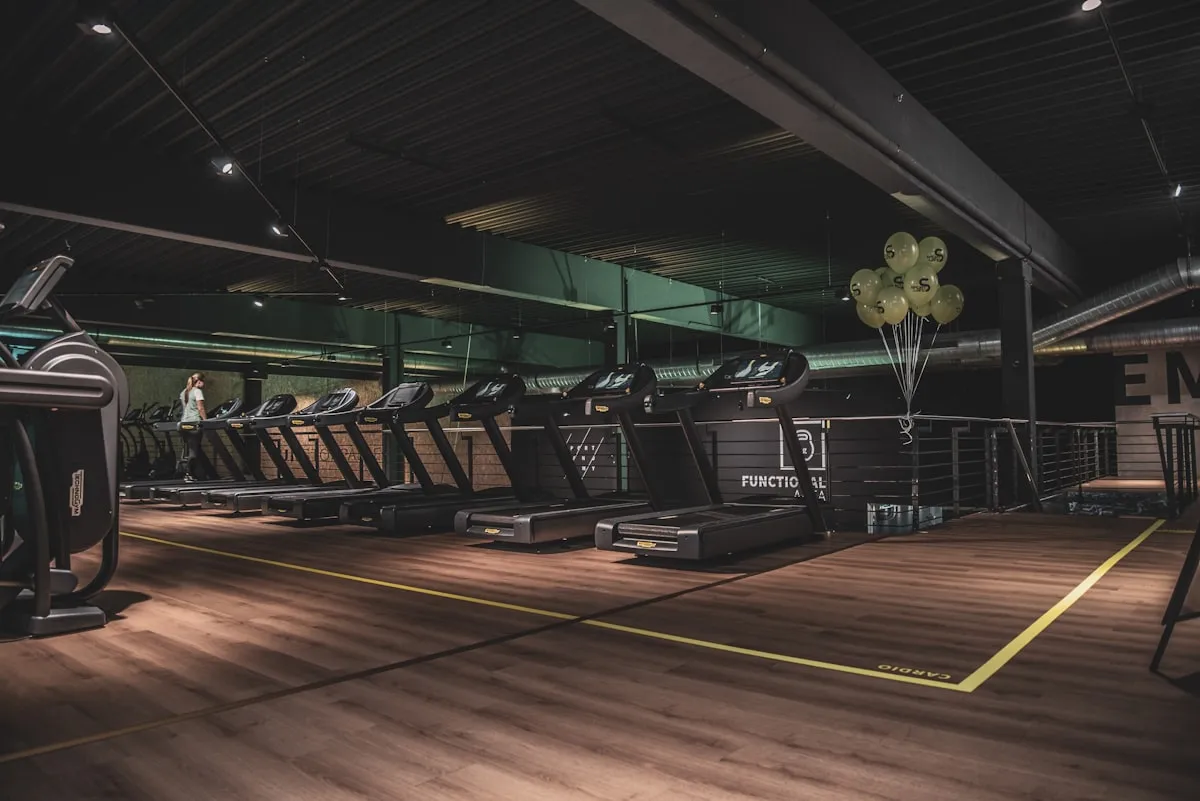
Equipment Selection for Aesthetics
Every piece was chosen not just for function, but for visual cohesion:
| Equipment | Brand | Why This Choice |
|---|---|---|
| Rack | Rep Fitness PR-4000 | Clean lines, matte black finish |
| Barbell | Rogue Cerakote | Black sleeve/black shaft matches rack |
| Plates | Vulcan Alpha | Minimal branding, consistent sizing |
| Bench | Rep AB-5200 | Black upholstery, no logos |
| Dumbbells | Rubber hex | Classic look, uniform aesthetic |
The rule: no bright colors, minimal branding, consistent finishes.
The Final Result
This 160 sq ft space now rivals boutique studios costing $200/month. More importantly, it's a space the owner wants to spend time in. The carefully considered design has led to more consistent training—the ultimate measure of a successful home gym.
Budget Breakdown
- Flooring: $320
- Paint + Accent Wall: $150
- Lighting (all zones): $280
- Mirror Wall: $400
- Equipment: $3,200
- Miscellaneous (hooks, organizers, décor): $150
Total: $4,500
Not cheap, but comparable to 2-3 years of commercial gym membership—and this space will last decades.
Frequently Asked Questions
How much does an aesthetic basement gym cost?
$1,500-$2,500 for a complete setup with quality flooring, good lighting, mirrors, and solid equipment. Cheaper is possible but the "aesthetic" premium goes into finishes, not gear.
Do I need to waterproof my basement first?
If it ever gets damp, yes. Moisture ruins barbells, rots wood, and rusts plates within months. Dehumidifier plus a vapor barrier under flooring is the minimum.
Best flooring for a basement gym?
Horse stall mats (3/4 inch rubber) over a vapor barrier. They're cheap, bomb-proof, and absorb heavy deadlifts. For aesthetics, add a rubber gym tile on top for color and edge finishing.
How do you add gym lighting to a dark basement?
LED shop lights on dimmers, layered at ceiling and eye level. Aim for 300+ lumens per square foot in the training area. Accent lighting (LED strips behind mirrors) adds the aesthetic without real cost.
Planning a new basement build, not just decorating one? Basement home gym layout: moisture, posts, low ceilings, and real floor plans — the full planning guide before you pick aesthetics.
Want the equipment specs behind builds like this? The $1,500 Dream DIY Home Gym — full equipment loadout that pairs with this aesthetic at the same budget.
Building a garage gym instead of a basement? Best Fans for a Garage Gym — the heat problem basements don't have, plus the 5 fans that solve it.
Working out the mirror wall? Home Gym Mirrors: What Size, How High, What It Costs — why a $240 panel kit beats a $550 custom sheet, and the mounting height that actually suits lifting rather than dance.