Table of Contents
- The Short Answer: The Best Home Gym Under $500
- Should You Buy an All-in-One Machine Under $500?
- Understanding Your Training Style
- Build 1: The Powerlifter's $500
- Build 2: The Bodybuilder's $500
- Build 3: The CrossFit/Functional Build
- Build 4: The Calisthenics Build
- Build 5: The General Fitness Build
- Which Build Is Right for You?
- Buying New vs. Used at $500
- What to Skip at $500
- Final Advice
- Frequently Asked Questions
- Next Steps
Not sure where to spend? Use our Home Gym Cost Calculator → — get a personalized equipment list for your space, budget, and goals in 30 seconds.
Key takeaways
- The best home gym under $500 for most people is à la carte, not a machine: adjustable dumbbells + an adjustable bench + a doorway pull-up bar + bands (~$480) — versatile, compact, and no DIY required.
- Want to barbell train? A used Olympic set ($150–$200 for plates, $80–$120 for a bar) plus a squat stand ($100–$150) gets you the big lifts for around $450.
- Skip the $299 "all-in-one" machines — sticky cables, 150-lb stacks, and arms that flex under real load. A real power rack + barbell + plates is not genuinely possible new under $500 (buy the plates used).
- Five distinct builds are achievable at $500, each optimized for a different goal: strength, muscle, conditioning, calisthenics, or general fitness.
- Buying plates, racks, and bars used delivers no performance loss — inspect welds and check for rust.
With $500 you can build a surprisingly capable gym — but the "best" setup depends on your goals. A powerlifter needs a rack and barbell; a bodybuilder needs dumbbells and a bench; a CrossFitter needs kettlebells and conditioning tools. Below is the short answer, the all-in-one-machine question everyone asks, and five distinct paths for the same budget.
The Short Answer: The Best Home Gym Under $500
If you don't want to read all five builds, buy this. It's the most versatile, lowest-risk way to spend $500 — and nothing here needs a single power tool:
| Item | Approx. cost | Why |
|---|---|---|
| Adjustable dumbbells (to ~50 lb) | $200–260 | Replace a whole rack; 100+ exercises |
| Adjustable bench (flat/incline/decline) | $120–150 | Unlocks pressing, rows, step-ups |
| Doorway pull-up bar | $30 | Highest return per dollar in any gym |
| Resistance band set | $35 | Assistance, mobility, travel |
| Rubber floor mat | $40 | Protects the floor and the weights |
That's roughly $480 for a gym that covers every major movement — press, row, squat, hinge, pull — and stores in a corner. If your goal is barbell strength instead, jump to Build 1 below and lean on the used market. Prefer to buy one piece at a time? Our guide to what order to buy home gym equipment sequences it for you.
Should You Buy an All-in-One Machine Under $500?
This is the question almost everyone asks first, so let's settle it. For most people: no.
The sub-$500 "all-in-one home gym" machines (the $199–$349 ones with a vinyl seat and a 150-lb selectorized stack) are the most common budget regret. Across reviews the same complaints repeat: sticky cables, a limited range of motion, plates that don't actually weigh what they claim, and arms that flex under real load. You outgrow the stack in weeks and can't add to it.
When a machine does make sense: you genuinely hate loose weights, you have zero tolerance for plates on the floor, or a family member needs guided, fixed-path movements. In that narrow case, spend up to a mid-tier multi-gym (often $600–900, just over this budget) rather than a $299 trap — or consider a band-based trainer like the X3 / band bar systems, which give full-body resistance in a tiny footprint.
For everyone else, the à la carte build above does more, lasts longer, and holds its resale value. Loose weights aren't a downgrade from a machine — they're the upgrade.
Understanding Your Training Style
Before spending a dollar, honestly assess your goals:
- Powerlifting: Maximum strength in squat, bench, deadlift
- Bodybuilding: Muscle size and symmetry
- CrossFit/Functional: Work capacity and varied fitness
- Calisthenics: Bodyweight mastery
- General Fitness: Overall health and capability
Each path requires different equipment. Let's explore all five.
Build 1: The Powerlifter's $500
Priority: Heavy barbell work with safety
| Item | Source | Cost |
|---|---|---|
| Olympic weight set (300 lbs) | Craigslist/FB Marketplace | $250 |
| DIY 2x4 squat rack | Home Depot lumber | $80 |
| Flat bench | Amazon basics | $100 |
| Horse stall mat (1) | Tractor Supply | $50 |
| Chalk + collars | Amazon | $20 |
| TOTAL | $500 |
What you can do:
- Squat (with DIY safeties)
- Bench press (with spotter arms)
- Deadlift
- Overhead press
- Barbell rows
- Power cleans
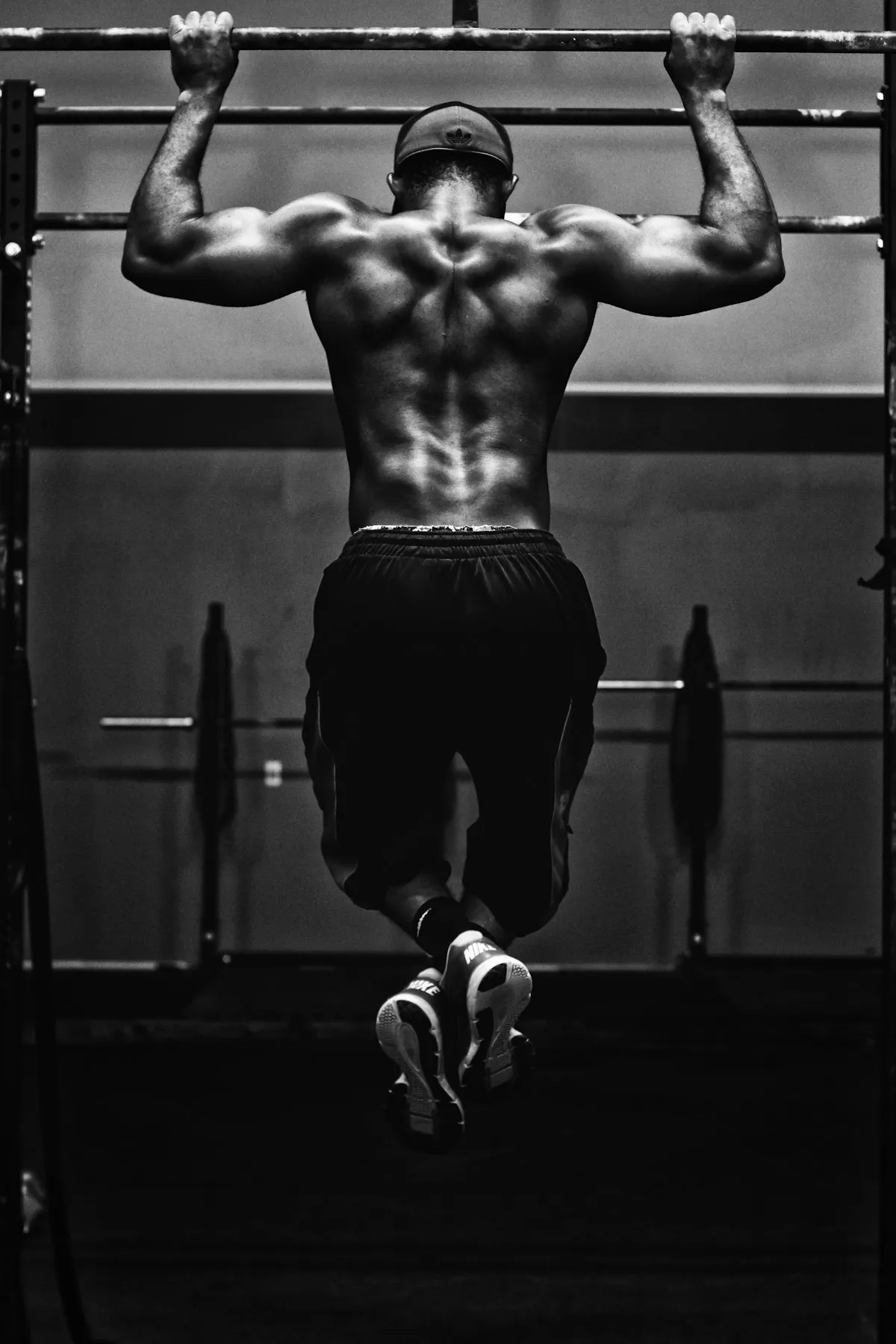
Key tip: The DIY rack may look sketchy, but a properly built 2x4 structure holds 1,000+ lbs. Search YouTube for "DIY squat rack" tutorials — or if you'd rather buy, a budget steel squat rack starts around $150. Stretching to a full power cage? The Titan T-3 runs about $479 new, so plan to buy your plates used. See how to buy used gym equipment to do it without getting burned.
Build 2: The Bodybuilder's $500
Priority: Isolation exercises and muscle targeting
| Item | Source | Cost |
|---|---|---|
| Adjustable dumbbells (5-52.5 lbs) | Used PowerBlocks or Bowflex | $200 |
| Adjustable bench | Amazon (Flybird or similar) | $140 |
| Doorway pull-up bar | Amazon | $30 |
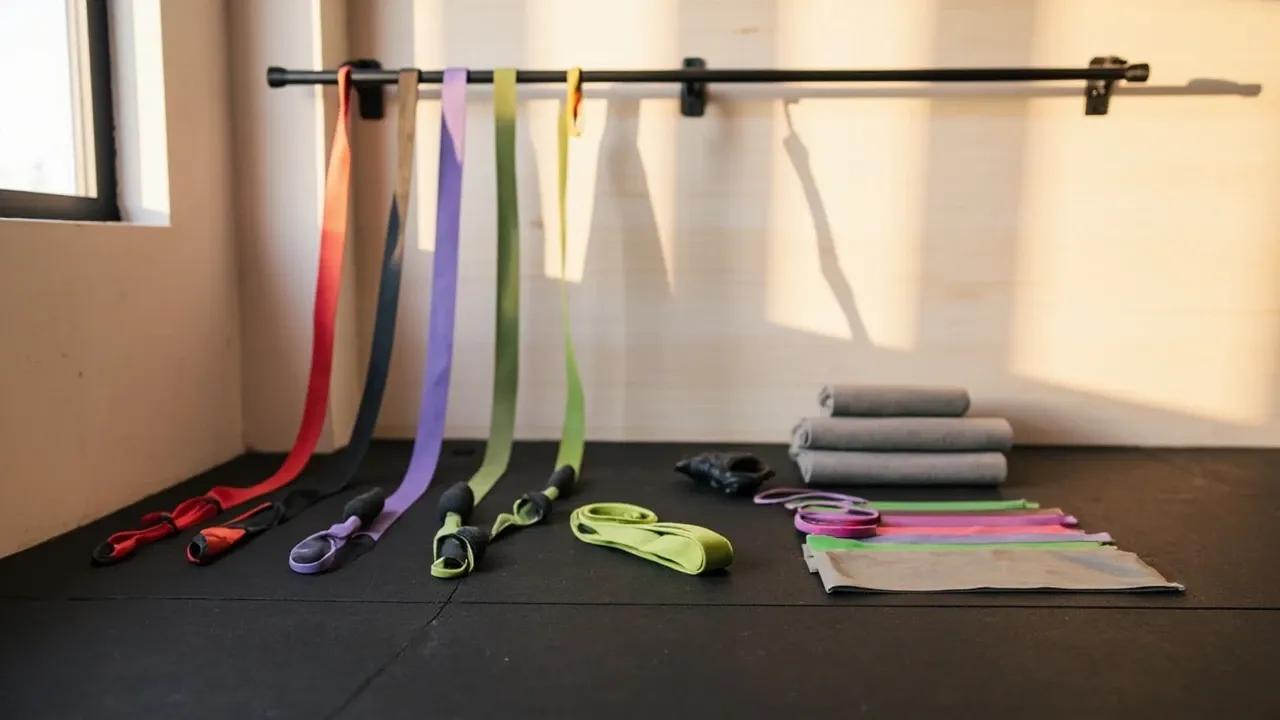
| Resistance band set | Amazon | $35 |
| Gym mirrors (3x 24"x36") | Home Depot | $75 |
| Mat | Amazon | $20 |
| TOTAL | $500 |
What you can do:
- Every dumbbell exercise imaginable
- Incline, flat, and decline pressing
- Pull-ups and chin-ups
- Band-assisted isolation work
- Form check via mirrors
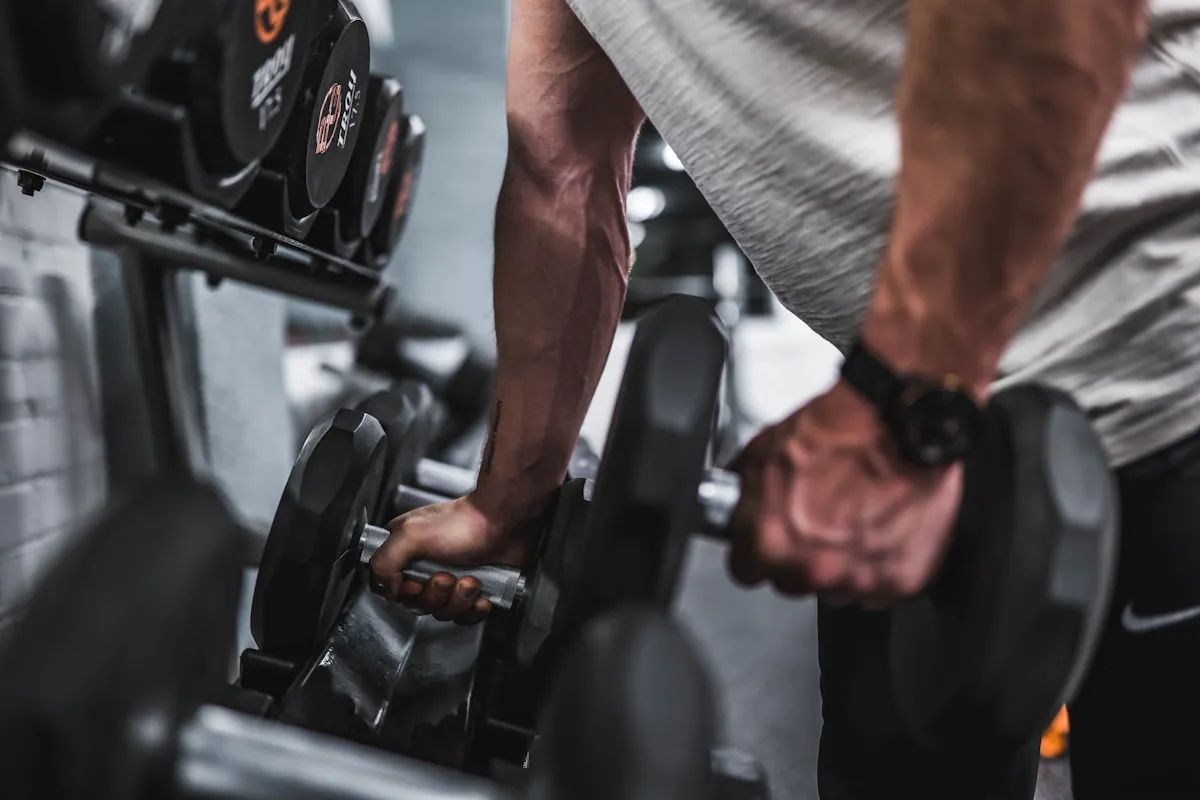
Shop it new: adjustable dumbbells · adjustable bench · doorway pull-up bar. For the full breakdown of which adjustable dumbbells are worth it, see Best Budget Adjustable Dumbbells.
Key tip: Buying used adjustable dumbbells saves 40-50% versus new. Check Facebook Marketplace daily.
Build 3: The CrossFit/Functional Build
Priority: Varied movements and conditioning
| Item | Source | Cost |
|---|---|---|
| Kettlebell set (35, 53 lb) | Titan Fitness | $150 |
| Plyo box (20/24/30) | Titan or DIY | $75 |
| Jump rope (speed) | Rx Smart Gear | $35 |
| Ab wheel | Amazon | $15 |
| Wall ball (20 lb) | Titan Fitness | $60 |
| Gymnastic rings | Titan Fitness | $35 |
| Resistance bands | Amazon | $35 |
| Timer app | Free | $0 |
| TOTAL | $405 |
Remaining $95 for future expansion
What you can do:
- Kettlebell swings, cleans, snatches
- Box jumps and step-ups
- Double-unders
- Wall balls
- Ring rows, dips, muscle-ups
- Countless WODs (Workouts of the Day)
Key tip: The kettlebell is the workhorse here — if you buy one piece first, make it the right weight. Our kettlebell buying guide covers sizing and the adjustable-vs-cast-iron call.
Build 4: The Calisthenics Build
Priority: Bodyweight mastery and skills
| Item | Source | Cost |
|---|---|---|
| Gymnastic rings | Titan Fitness | $35 |
| Parallettes (low) | Amazon or DIY | $40 |
| Pull-up bar (wall mount) | Amazon | $50 |
| Resistance bands (for assistance) | Amazon | $35 |
| Yoga mat | Amazon | $20 |
| Ab wheel | Amazon | $15 |
| Dip belt + chain | Amazon | $45 |
| Weight plates (45 lb total) | Used | $60 |
| Chalk | Amazon | $10 |
| TOTAL | $310 |
Remaining $190 for parallettes upgrade or weighted vest
What you can do:
- Pull-ups → muscle-ups → front lever progressions
- Push-ups → planche progressions
- L-sits → V-sits → manna
- Handstand work
- Weighted dips and pull-ups
Key tip: Calisthenics requires the least equipment but the most patience. Skills like the planche take years, not months.
Build 5: The General Fitness Build
Priority: Well-rounded health and capability
| Item | Source | Cost |
|---|---|---|
| Adjustable dumbbells (to 25 lbs) | Amazon | $80 |
| Adjustable bench | Amazon | $100 |
| Resistance band set | Amazon | $35 |
| Kettlebell (35 lb) | Titan | $55 |
| Jump rope | Amazon | $15 |
| Yoga mat | Amazon | $20 |
| Pull-up bar (doorway) | Amazon | $30 |
| Foam roller | Amazon | $25 |
| Stability ball | Amazon | $20 |
| TOTAL | $380 |
Remaining $120 for heavier dumbbells later
What you can do:
- Basic strength training
- Cardiovascular conditioning
- Flexibility and mobility work
- Core strengthening
- Recovery and self-massage
Shop it new: adjustable dumbbells · adjustable bench · kettlebell · resistance bands. This is the closest build to the "short answer" above and the best starting point for most beginners.
Which Build Is Right for You?
| If you want... | Choose... |
|---|---|
| Maximum strength | Powerlifter build |
| Bigger muscles | Bodybuilder build |
| Conditioning + variety | CrossFit build |
| Skills + minimal gear | Calisthenics build |
| Overall health | General fitness build |
Buying New vs. Used at $500
At this budget, the buy-new vs. buy-used decision is what determines how much gym you actually get.
- Buy used (50-70% off): Olympic plates, barbells, power racks, kettlebells, flat benches. These are effectively indestructible — inspect welds and check for rust and you're done. This is where the used market stretches $500 into what looks like a $1,000 gym.
- Buy new: resistance bands, mats, an adjustable bench you'll use heavily, and adjustable dumbbells if you can't find a clean used pair. Mechanisms and pads wear, so new is worth it here.
- Never buy used: treadmills and motorized cardio — the expensive parts fail and can't be inspected.
The single highest-leverage move on a $500 budget is patience on Facebook Marketplace. See how to buy used gym equipment without getting burned for the inspection checklist.
What to Skip at $500
These eat your budget and deliver the least:
- $199–$349 "all-in-one" machines. Covered above — sticky cables, flexing arms, a stack you outgrow in weeks.
- No-name twist-lock adjustable dumbbells under $80. The locking mechanism fails and plates can release mid-rep. Stick to selector-pin or spinlock from known brands.
- A cheap treadmill or "$500 walking pad + everything else" combo. Motorized cardio at this price is unreliable; put the money into strength gear and walk outside, or add cardio later.
- A brand-new full power cage. It eats the entire budget and leaves nothing for a bar or plates. Buy the rack used, or DIY, and spend on the iron.
- Tiny "starter" plate sets (under 100 lb). You'll outgrow them immediately and pay more per pound. Buy a used 245–300 lb set instead.
Final Advice
Don't overthink it. Pick the build closest to your goals, buy the equipment, and start training. You can always sell and pivot later — fitness equipment holds value well on the used market.
The perfect gym doesn't exist at any price point. The best gym is the one you actually use.
Frequently Asked Questions
What's the best home gym under $500?
For most people: adjustable dumbbells, an adjustable bench, a doorway pull-up bar, and a band set (~$480) — versatile, compact, and no DIY. If you want to barbell train, a used squat stand, Olympic bar, and a 245 lb plate set cover the big lifts for around $450. Focus on the big movements — squat, hinge, press, pull, row.
Should I buy an all-in-one home gym machine under $500?
Usually no. The cheap selectorized machines at this price have sticky cables, limited range of motion, and a stack you outgrow quickly. À la carte dumbbells and a bench do more and last longer. Only consider a machine if you truly won't use loose weights — and then spend up to a mid-tier model rather than a $299 trap.
Barbell or dumbbells first on a $500 budget?
Dumbbells for most people — they're more versatile, safer to train alone, and need no rack. Choose the barbell path if your primary goal is maximum strength and you're comfortable buying a used rack and plates.
Can you build muscle with a $500 home gym?
Yes. Progressive overload builds muscle, and adjustable dumbbells plus a bench provide plenty of load for years of growth. Equipment cost has very little to do with results past the basics.
Can you squat with a $500 budget?
Yes. Used squat stands run $100-150, Olympic bars $80-120, and 245 lb of plates another $150-200. Squat safely with spotter arms or a quality used rack.
How much space does a $500 gym need?
Minimum 8x8 feet with 8 ft ceilings for overhead press; 10x10 is comfortable. A garage corner works if you can clear 80+ sq ft. See our room-size guide for layouts.
Next Steps
- Pick your path — the short answer build for most people, or Build 1 if you want barbell strength.
- Price it for your space and goals with the cost calculator.
- Set a Facebook Marketplace alert for plates, racks, and bars — used iron is where $500 goes furthest. Use the inspection checklist before you drive.
- Buy in the right order so each piece earns its place before the next.
Choosing the bench for your build? Best Weight Bench for a Home Gym — the specific flat and adjustable picks that fit these budgets, and the ones to skip.
Curious how many people train at home now? Home Gym Statistics 2026 — 52% of U.S. adults work out at home regularly; the full sourced data set is here.
Rack confusion holding up the build? Squat Rack vs Power Rack — which rack type fits a $500 budget, a low ceiling, and training alone.
Not ready for the full $500? Most of these builds start from the same core pieces — the best home gym equipment under $100 covers the starter tier that every budget build grows out of.
Working to a different number than $500? The home gym cost breakdown runs the same maths for any budget — set the figure and it returns a build rather than a shopping list.
Room in the budget for recovery? Best Massage Guns for Home Gyms: Amplitude & Stall Force — a $40 device takes no floor space and gets used on the days you do not train.
Picking the band set for the build? Best Resistance Bands for Home: Loop, Tube & Mini Bands — tube sets with handles versus long loops, and why most home gyms want one of each.